
Top Signs Your Fireplace Needs Professional Repair
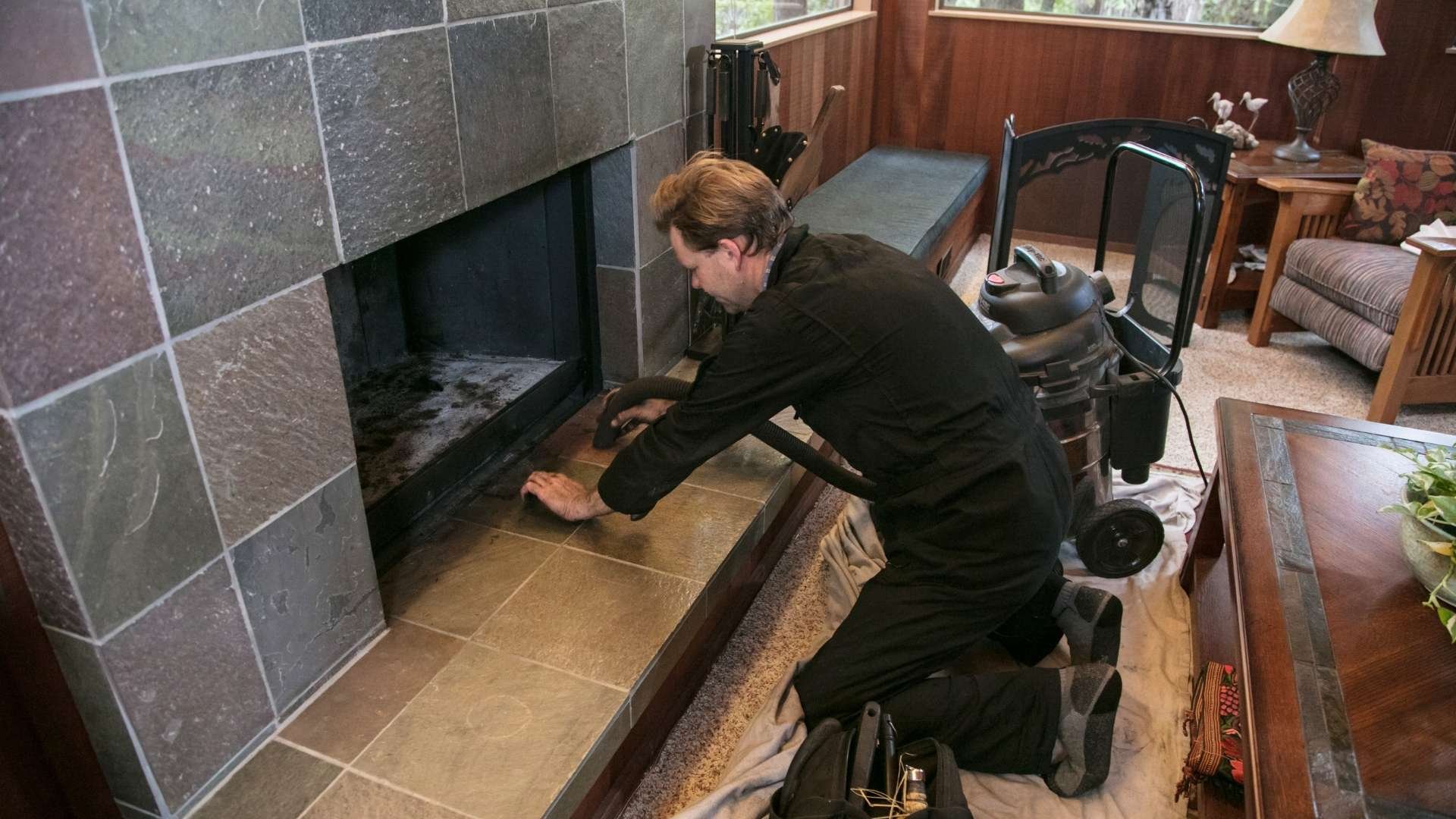
Your fireplace is one of the most valued features of your home—especially here in Michigan, where long winters make it a key source of heat, comfort, and ambiance. But even the most well-built fireplaces require regular care to stay safe and efficient. Many homeowners don’t realize their fireplace needs repair until the issue becomes serious. That’s why understanding the warning signs and scheduling a fireplace repair service is essential.
Fireplace systems face constant wear from heat, moisture, soot, and weather exposure. Over time, small issues can lead to bigger ones, putting your home at risk for smoke damage, reduced efficiency, or even a potential fire hazard. In this guide, you’ll discover the top signs that your fireplace needs professional repair—and how fireplace maintenance can help protect your home.
Why Professional Fireplace Maintenance Matters
While fireplaces look simple from the outside, the system behind the scenes is complex. A working fireplace involves the firebox, chimney, flue, damper, masonry, vents, and gas or electric components depending on the model. Any one of these areas can develop problems over time.
That’s why fireplace maintenance should never be overlooked. Professional repair not only helps prevent dangerous issues like carbon monoxide leaks or chimney fires, but also improves heating efficiency and prolongs the life of your fireplace. For homeowners who rely on their fireplace for winter warmth, staying ahead of problems is essential.
1. Smoke Fills the Room Instead of Venting Properly
One of the most common and obvious signs that you need fireplace repair is when smoke begins entering your room instead of flowing up the chimney. This is not just inconvenient—it’s dangerous.
Possible Causes:
Clogged or dirty chimney
Damaged flue liner
Incorrect damper positioning
Draft problems
Creosote buildup
Smoke in the home means your chimney is not drafting properly, which can lead to carbon monoxide exposure.
2. Strange Odors Coming from the Fireplace
If your fireplace produces foul odors—especially when it’s not in use—this is a red flag. Different smells can indicate different problems.
Common Odors:
Burning smell: Excess creosote
Rotten odor: Water damage or mold
Animal smell: Nesting animals or debris in chimney
Chemical smell: Gas leaks or damaged components
These issues worsen during Michigan’s hot and humid months but become noticeable again in winter when heating systems start up.
3. Difficulty Starting or Maintaining a Fire
If you struggle to keep a fire lit or it constantly burns weak, your fireplace may be suffering from:
Blocked airflow
Damaged damper
Improper fuel source
Draft issues
Cracked firebox
These problems affect your fireplace’s efficiency and can waste energy.
4. Cracked Masonry or Spalling Brick
Michigan’s freeze-and-thaw cycle is tough on masonry. Moisture gets into small cracks, freezes, expands, and causes damage. If you notice crumbling bricks, mortar deterioration, or chunks of material flaking off, this is known as spalling.
Why This Matters:
Damaged masonry can compromise the structural integrity of your fireplace, putting your home at risk for serious problems like chimney collapse or fire hazards.
5. White Staining on the Exterior (Efflorescence)
If you notice white powdery deposits forming on the chimney or fireplace exterior, this is called efflorescence. It’s a sign that water is penetrating the masonry and bringing soluble salts to the surface.
Why it's a Problem:
Moisture is the biggest enemy of masonry fireplaces. Left untreated, it leads to:
Brick decay
Mold growth
Mortar deterioration
Structural damage
Consistent fireplace maintenance includes moisture-control strategies to prevent long-term damage.
6. Damaged or Rusty Damper
The damper controls airflow in and out of the fireplace. If it’s rusted, jammed, or difficult to operate, heat and smoke may not escape correctly.
Rust usually indicates:
Excess moisture
Condensation inside the chimney
Leaks from the crown or cap
This is more common in humid regions and especially in Michigan winters.
7. Excess Creosote Buildup
Creosote is a byproduct of burning wood. It is sticky, flammable, and dangerous. Over time, creosote accumulates inside the chimney, sometimes reaching hazardous levels.
Signs of Excess Creosote:
Black, tar-like deposits
Crumbly soot falling from the flue
Lingering burnt smell
Reduced draft
Creosote is the leading cause of chimney fires, making fireplace cleaning and maintenance absolutely necessary for safety.
8. Water Leaks or Moisture Around the Fireplace
Water should never enter your fireplace or chimney system. Signs of moisture include:
Stained walls or ceilings
Wet patches inside the firebox
Rusting metal components
Crumbling mortar
Mold or mildew odors
Michigan’s heavy snow and rain make this one of the most common issues homeowners face.
9. Strange Noises Coming from the Chimney
Hearing noises like chirping, scratching, rustling, or thumping usually means animals have entered your chimney. Birds, squirrels, and raccoons often nest inside unprotected chimneys.
Other Potential Noises:
Draft issues causing whistling
Damaged metal components rattling
Falling debris
10. Soot Buildup on the Hearth or Surrounding Walls
If soot is collecting outside the fireplace, something is wrong with the internal ventilation. This can be caused by:
Negative air pressure
Blocked chimney
Malfunctioning damper
Soot buildup is both unsightly and dangerous, staining surfaces and reducing indoor air quality.
11. Gas Fireplace Issues (If Applicable)
Gas fireplaces require just as much monitoring as wood-burning units. Signs like:
Pilot light won’t stay lit
Yellow flames instead of blue
Burning smell
Soot on glass
Delayed ignition
These symptoms indicate gas flow, ventilation, or component issues that require immediate professional attention. Never attempt DIY gas repairs—always rely on certified professionals.
12. The Firebox Shows Signs of Damage
The firebox—the inner chamber of your fireplace—handles intense heat. Over time, it can crack or deteriorate.
Warning Signs:
Loose bricks
Gaps in firebrick
Cracks in the panels
White chalky residue
Damaged fireboxes are a fire hazard and require prompt attention from a professional.
13. Reduced Heat Output
If your fireplace doesn’t seem to warm the room as effectively as it used to, something is interfering with its performance.
Possible causes include:
Creosote buildup
Poor ventilation
Masonry issues
Faulty gas components
Routine Maintenance Prevents Bigger Problems
Many issues we’ve discussed begin as small, overlooked problems. Regular fireplace maintenance is essential for:
Improving efficiency
Preventing breakdowns
Avoiding dangerous conditions
Extending fireplace lifespan
Reducing repair costs
Fireplace professionals check every component to ensure your system is safe and ready for Michigan’s cold weather.
Why Michigan Homeowners Should Never DIY Repairs
Fireplaces and chimneys involve structural components, ventilation systems, gas lines, and fire-resistant materials. DIY fireplace repairs often lead to:
Safety hazards
Incorrect repairs
Voided warranties
Increased repair costs later
Professionals trained in fireplace repair have the tools, knowledge, and experience to diagnose issues accurately and safely.
Final Thoughts: Don’t Ignore the Warning Signs
Your fireplace should be a source of warmth and comfort—not stress or safety concerns. If you’ve noticed any of the warning signs listed here, it’s time to schedule a fireplace repair service. Staying proactive protects your home, family, and investment.
Schedule Fireplace Repair with The Grate Haus
For trusted, experienced, and local fireplace repair in Jackson, Michigan and the surrounding areas, contact us today to schedule your fireplace repair service!