
Protecting Your Chimney From Winter Damage: A Complete Guide
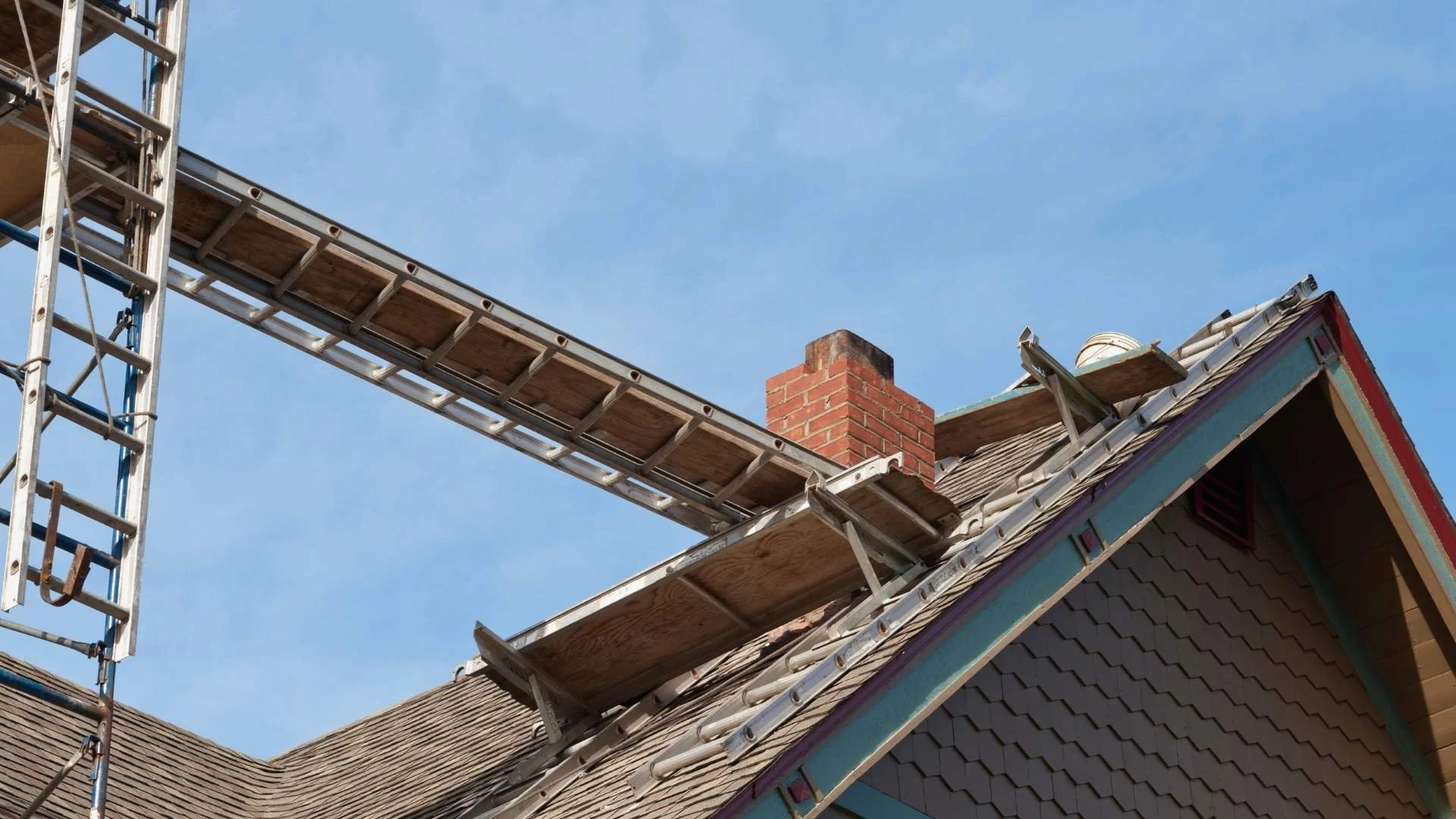
Winter in Michigan is no small event. With heavy snowfall, brutal cold fronts, and constant freeze–thaw cycles, homeowners face some of the harshest weather conditions in the country. While many prepare by insulating windows, sealing doors, and winterizing their roofs, one area is often overlooked: the chimney.
Your chimney is one of the most exposed parts of your home. It stands above the roofline, absorbing every blast of wind, snowdrift, driving sleet, and temperature shift the season brings. Without proper care and chimney protection, winter can create serious damage—some of it visible, some hidden deep within the structure.
Why Michigan Chimneys Need Winter Protection
Michigan isn’t just cold—it’s unpredictable. One day temperatures drop below zero, the next day snow melts, and by the following morning it freezes again. These rapid changes create enormous stress on brick, mortar, metal components, and the flue structure.
This is why chimney protection services are vital. Even a well-built chimney is susceptible to:
Snow accumulation
Ice formation
Freeze–thaw expansion
Wind-driven moisture penetration
Flue blockages
Chimney cap damage
Brick spalling
Interior moisture buildup
Every winter, Michigan homeowners experience chimney issues that could have been prevented with proper chimney protection practices.
How Snow and Ice Damage Michigan Chimneys
Understanding the specific impact Michigan weather has on chimneys is the first step toward preventing costly repairs. Below are the most common problems caused by heavy winter weather and why chimney protection matters.
1. Freeze–Thaw Damage
Michigan’s freeze–thaw cycle is one of the biggest threats to chimney masonry. It works like this:
Snow melts or moisture enters cracks in the brick or mortar.
Overnight temperatures drop below freezing.
The water inside the masonry freezes and expands.
This expansion widens cracks, weakens mortar, and pushes bricks outward.
This repeated cycle leads to:
Crumbling mortar joints
Loose bricks
Chimney leaning
Brick spalling (surface breaking off)
The more severe the winter, the more severe the damage.
2. Ice Dams Around the Chimney
Roofs commonly develop ice dams during Michigan winters, but chimneys often experience their own localized version. When warm air from the home melts snow around the chimney, the water flows downward—until it hits the cold edge of the roof or flashing where it freezes again, forming a dam.
Ice dams around the chimney can cause:
Water infiltration into the attic
Rotting chimney flashing
Ceiling leaks
Moisture damage inside walls
Accelerated chimney deterioration
Preventing these issues requires steps including proper insulation, flashing repair, and waterproofing.
3. Snow Accumulation and Weight Stress
While chimneys are built to withstand weather, excessive snow buildup can load the chimney crown and structural components with extra weight. This can lead to:
Cracks in the crown
Brick shifting
Structural weakening
Accelerated wear of the chimney cap
Snow accumulation also increases moisture exposure, which causes chimney damage.
4. Moisture Penetration Into the Chimney Interior
Brick is porous by nature. When snow sits against the chimney for too long, moisture can soak inside. Without proper waterproofing, this leads to:
Mold growth
Flue liner deterioration
Rusted dampers
Damaged smoke chamber masonry
Weakened structural integrity
Freezing temperatures then worsen every hidden crack.
5. Chimney Cap and Crown Damage
The chimney cap and crown are your chimney’s primary defenses against Michigan winters. Heavy snow, falling ice, and high winds can chimney damage or dislodge these components.
When this happens:
Animals enter the chimney
Water pours directly inside the flue
Creosote buildup accelerates
Drafting becomes poor
Mold forms inside the chimney
A damaged cap is one of the most common problems detected during chimney inspections.
Common Signs Your Chimney Has Winter Damage
Even before scheduling repairs, you may notice signs that winter has already impacted your chimney. These include:
Crumbling or missing mortar
White staining on the chimney exterior
Visible cracks in the crown
Water inside the firebox
Rusty damper that won’t fully close
Drafting problems when burning
Loose or shifting bricks
A musty smell from the fireplace
Animals entering the chimney
Any of these symptoms indicate your chimney urgently needs a professional inspection.
How to Protect Your Chimney from Winter Damage
Now that we’ve identified how snow and ice can harm your chimney, let’s explore the best ways to prevent it. These proactive steps are essential for protecting your chimney from winter damage.
1. Install or Replace Your Chimney Cap
A high-quality chimney cap is the first line of defense against:
Snow
Ice
Animals
Wind
Rain
Debris
Caps prevent moisture from entering the flue. If your chimney cap is damaged, missing, or outdated, replacing it is one of the most cost-effective winter protection steps you can take.
2. Seal and Waterproof the Masonry
Chimney waterproofing is essential in a state like Michigan. A breathable waterproof sealant:
Blocks moisture absorption
Prevents freeze–thaw damage
Reduces brick cracking
Extends chimney lifespan
Professional waterproofing can last 5–10 years and is one of the most effective chimney protection upgrades available.
3. Repair Cracks Before the First Snowfall
Even tiny cracks can expand significantly during winter. Before temperatures drop, have a professional inspect and repair:
Mortar joints
Brick faces
Chimney crown cracks
Flue liner fractures
This prevents small issues from becoming expensive structural problems.
4. Improve Attic and Chimney Insulation
Heat escaping into the attic melts snow around the chimney—creating ice dams. Better insulation means better chimney protection and fewer leaks.
Insulation improvements reduce:
Ice dam formation
Heat loss
Water damage
Drafting issues
5. Maintain Proper Flashing Around the Chimney Base
Chimney flashing is often the first component to fail under winter stress. Ice expansion can lift or crack flashing, allowing water to enter.
Replacing damaged flashing is crucial for preventing:
Roof leaks
Attic mold
Structural rot
Brick deterioration
Proper flashing is foundational to chimney protection.
6. Schedule a Professional Chimney Inspection
Every Michigan homeowner should schedule a chimney inspection before winter. Certified inspectors can identify:
Structural weaknesses
Flue issues
Moisture damage
Hidden cracks
Crown deterioration
Cap corrosion
Drafting abnormalities
A professional inspection is the backbone of effective chimney protection and prevents costly emergencies during freezing weather.
7. Clear Snow From Around the Chimney Base
If heavy snowfall is expected, clearing accumulated snow around the chimney helps prevent:
Moisture seepage
Ice dams
Overloading the crown
Masonry saturation
So What?
Snow, ice, and freezing temperatures can wreak havoc on your chimney, but with proper care, you can prevent the most serious damage. Whether it’s waterproofing, crack repair, chimney cap installation, or flashing reinforcement, each step of chimney protection helps safeguard your home from costly winter-related deterioration.
Your chimney is one of your home’s most vulnerable structures. Don’t wait for winter to cause damage—protect it proactively.
Thinking About Getting an Inspection?
Ensure your home is protected from Michigan’s harsh winter weather. Schedule a chimney inspection with us today!