
Winter-Ready Fireplaces: Preparing for Harsh Michigan Weather
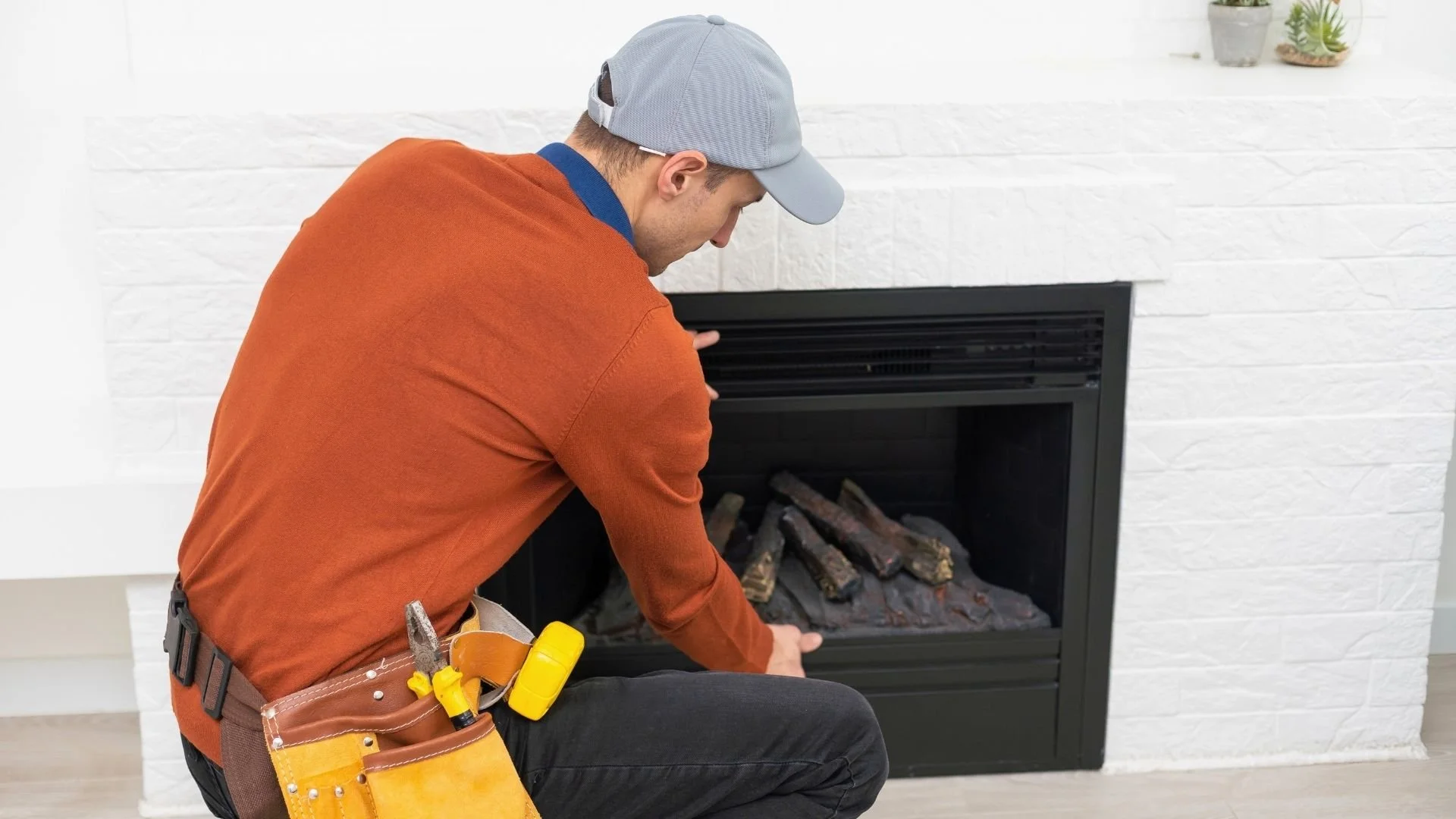
Michigan winters are not known for being gentle. With early freezes, lake-effect snow, harsh winds, and weeks of subzero temperatures, Michigan homeowners rely heavily on their fireplaces for warmth, comfort, and efficiency. That’s exactly why Michigan fireplace maintenance is essential long before winter storms hit. Proper preparation ensures not only comfort but also safety, energy savings, and the longevity of your fireplace system.
When Michigan’s cold season begins, homeowners often discover issues they didn’t know existed—creosote buildup, cracked flue liners, malfunctioning dampers, draft problems, damaged chimney caps, or fireplaces that simply fail to produce enough heat. All of these issues can be prevented with thorough Michigan fireplace maintenance performed before the winter freeze sets in.
Why Michigan Fireplace Maintenance Matters More Than Anywhere Else
Michigan’s climate isn’t like most states’. The freeze-thaw cycles alone create major stress on fireplace and chimney structures. Snow and ice buildup can crack mortar joints, create blockages, and lead to dangerous airflow problems. Without proper Michigan fireplace maintenance, homeowners can face:
Smoke backup into the home
Carbon monoxide risks
Inefficient heating
Chimney fires
Damaged masonry
Costly emergency repairs
Uncomfortable drafts
Higher energy bills
The combination of lake-effect snow, long winters, and rapid temperature shifts mean that your fireplace system needs seasonal maintenance and winter preparation—not just occasional checkups.
This seasonal preparation is what ensures a stress-free, warm, and safe Michigan winter.
Step 1: Schedule a Professional Fireplace & Chimney Inspection
The single most important step in Michigan fireplace maintenance is getting a certified inspection. Michigan winters demand full functionality and safety, which only a professional can verify.
During an inspection, a technician will check:
Chimney structure
Masonry condition
Mortar joints
Flue and liner
Damper operation
Creosote levels
Gas line (for gas fireplaces)
Glass panel integrity
Venting and airflow
Cap and crown condition
Ash buildup
Air circulation
Professional inspections identify issues early—before a Michigan snowstorm makes them significantly more dangerous or costly.
Step 2: Deep Cleaning Is Essential for Michigan Fireplace Maintenance
Cleaning plays a huge role in Michigan fireplace maintenance because winter usage increases fuel consumption, soot buildup, and airflow restrictions.
For Wood Fireplaces
You need:
Ash removal
Firebox cleaning
Grate cleaning
Creosote elimination
Glass cleaning
Flue sweeping
Creosote—Michigan’s biggest fireplace hazard—can ignite when temperatures drop and the fire burns inefficiently. Removing it is not optional.
For Gas Fireplaces
While gas produces fewer byproducts, it still requires:
Burner cleaning
Pilot inspection
Glass cleaning
Log placement check
Vent examination
Gas fireplaces often fail in winter due to clogs or misaligned logs.
For Pellet Stoves
Pellet ash buildup affects performance dramatically. Clean:
Burn pot
Ash traps
Heat exchanger
Vents
Hopper
For Electric Fireplaces
Electric units require little cleaning, but Michigan’s dry winter air can attract dust. Clean:
Filters
Heating elements
Fans
Whatever type you have, winter readiness requires full cleaning as a core part of Michigan fireplace maintenance.
Step 3: Check Your Chimney Cap Before the Snow Hits
A chimney cap is a vital component of Michigan fireplace maintenance because it prevents:
Animals from nesting
Snow from entering
Rainwater infiltration
Wind-caused backdrafts
Sparks from escaping
Debris blockages
A damaged or missing cap in a Michigan winter can turn into a major hazard fast. Snow entering the chimney can freeze, crack masonry, and lead to smoke or carbon monoxide backup.
Make sure your cap is secure, undamaged, and properly screened.
Step 4: Test Your Damper for Smooth Operation
If your damper is stuck, broken, or warped, no amount of Michigan fireplace maintenance will keep your home warm or safe. Michigan winds can force cold air through a faulty damper, and smoke can back up into your living room if it doesn’t open properly.
Your damper must:
Open fully
Close fully
Be airtight
Be easy to operate
If not, replace or repair it before winter begins.
Step 5: Seal Cracks Before Freeze–Thaw Cycles Worsen Them
Michigan’s temperature swings are brutal on chimney materials. Water intrusion freezes, expands, and tears apart masonry. That’s why sealing cracks is a key part of Michigan fireplace maintenance. Look for signs of:
Brick deterioration
Missing mortar
Loose stonework
Flue tile cracks
Water damage
Rusting metal components
Small cracks become big structural failures once January arrives.
Step 6: Improve Airflow and Draft Performance
Michigan’s cold temperatures can cause poor draft, leading to:
Smoke in your home
Difficulty starting fires
Cold air infiltration
Soot buildup
Inefficient burning
To improve airflow as part of Michigan fireplace maintenance, consider:
Chimney height adjustments
Cap replacements
Checking for blockages
Adding glass fireplace doors
Upgrading your flue liner
Using seasoned hardwood
Step 7: Stock Up on Proper Firewood for Michigan Winters
Good wood is a major component of good Michigan fireplace maintenance.
Use:
Oak
Maple
Birch
Ash
Beech
Avoid:
Softwoods
High-moisture wood
Treated wood
Painted wood
Michigan winters demand hardwoods because they burn hotter, longer, and safer.
Step 8: Install or Update Glass Doors for Extra Efficiency
Glass doors are a recommended part of Michigan fireplace maintenance because they:
Reduce heat loss
Increase safety
Improve draft performance
Prevent sparks
Reduce cold-air drafts
Enhance appearance
They’re especially useful when Michigan temperatures drop below zero.
Step 9: Test Detectors and Safety Devices
Safety is a non-negotiable part of Michigan fireplace maintenance. Check:
Smoke detectors
Carbon monoxide detectors
Fire extinguishers
Backup batteries
Michigan winters mean more fireplace use, more heating system pressure, and higher risk.
Step 10: Consider Upgrades for Better Winter Performance
Modern technology helps Michigan homeowners stay warm efficiently. Upgrades to consider as part of Michigan fireplace maintenance include:
New gas log sets
Energy-efficient inserts
Updated mantels
Heat-circulating blowers
Pellet stove conversions
Electric fireplace additions
Smart thermostatic controls
Upgrades not only help with performance—they boost home value and winter comfort.
Preparing for Harsh Michigan Winters Starts with Solid Maintenance
Michigan is one of the toughest states for winter fireplace use. That’s why Michigan fireplace maintenance is more than a routine—it’s a necessity. Whether you use wood, gas, pellet, or electric systems, getting ahead of the winter weather ensures:
Warmer nights
Lower heating bills
Safer operation
Reduced repair costs
Higher efficiency
Longer system lifespan
A properly maintained fireplace doesn’t just keep a Michigan home warm—it keeps it safe, comfortable, and ready for whatever the season brings.
Need Maintenance?
Ready to prepare your fireplace for a harsh Michigan winter?
The experts at The Grate Haus specialize in full-service Michigan fireplace maintenance, repairs, cleaning, installations, and inspections.
Contact The Grate Haus today to schedule your winter-ready service; https://thegratehaus.com/contact-us