
Michigan Weather and Your Chimney: Hidden Damage Explained
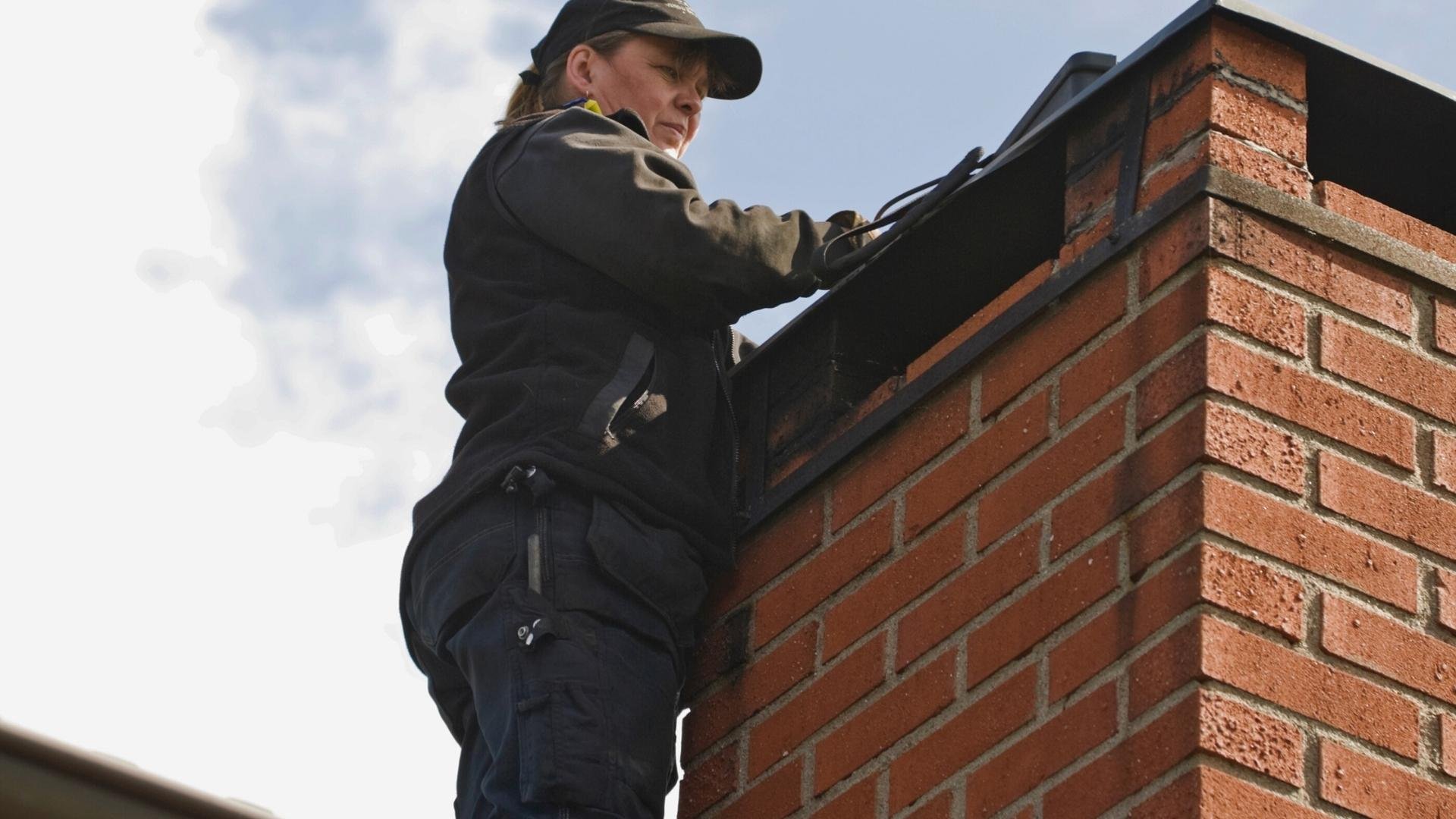
Michigan homeowners know how unpredictable and unforgiving the weather can be. From heavy lake-effect snow and icy storms to rapid temperature swings and harsh winds, the state experiences some of the most intense seasonal stress in the country. While people often focus on protecting roofs, siding, and foundations, one area frequently overlooked is the chimney system—specifically the brick and mortar that keep the structure standing.
The truth is that Michigan chimney damage is far more common than most homeowners realize. The combination of moisture, freezing temperatures, snow accumulation, and constant thermal expansion puts Michigan chimneys under tremendous strain year after year. Over time, these pressures can cause deterioration, structural weakness, leaks, and even chimney collapse.
Why Michigan Chimneys Experience More Damage Than Other Regions
Across the Midwest, chimneys experience seasonal stress, but Michigan chimney damage is uniquely severe due to:
Lake-effect snowfall
Frequent freeze–thaw cycles
High humidity
Heavy rainstorms year-round
Below-freezing temperatures lasting months
Rapid temperature swings
High wind speeds
This combination creates a perfect storm of moisture intrusion and structural pressure. Chimneys made of brick and mortar are extremely porous, meaning they naturally absorb water. When this water freezes—and then thaws again—it leads to expansion that cracks, chips, and weakens the materials.
Michigan experiences hundreds of these freeze–thaw cycles each year, making Michigan chimney damage one of the most widespread home maintenance issues in the state.
1. Freeze–Thaw Cycles: Michigan’s #1 Cause of Chimney Damage
If there is one factor most responsible for Michigan chimney damage, it’s freeze–thaw cycling. Michigan’s climate causes water to repeatedly enter the pores of chimney bricks and mortar. When temperatures drop, this trapped water freezes and expands, creating:
Cracked bricks
Crumbling mortar joints
Surface flaking (spalling)
Internal fractures
Weakened structural integrity
Complete brick disintegration
The expansion of freezing water is powerful enough to break apart concrete, brick, and stone—and chimneys are constantly exposed. When the ice melts, the cracks expand further, allowing more water to enter the next time it rains or snows. This cycle repeats all winter long, accelerating Michigan chimney damage.
2. Moisture Intrusion from Snow, Rain, and Ice
Michigan is one of the wettest northern states, with significant precipitation spread throughout the year. This exposure makes moisture intrusion a major contributor to Michigan chimney damage.
Common moisture sources include:
Snow sitting on chimney crowns
Blowing snow entering uncapped chimneys
Rain and sleet soaking porous brick
Melting ice dripping into mortar joints
Condensation caused by temperature differences
Moisture damage can lead to:
Efflorescence (white salt staining)
Loose bricks
Eroded mortar
Rusting metal components
Chimney leaks
Chimney liner deterioration
In Michigan, the risks are magnified by repeated wet weather and prolonged exposure to snow accumulations.
3. Harsh Winter Temperatures and Prolonged Cold
Long stretches of cold weather cause bricks and mortar to contract, making them more brittle. When deep freezes occur suddenly—common in Michigan—existing weaknesses worsen quickly.
Bricks may:
Split
Chip
Shear
Loosen
Separate from the chimney structure
Mortar is even more vulnerable. It becomes rigid and fractures easily, creating gaps that lead to further Michigan chimney damage.
4. Wind Damage and Structural Stress
Michigan is known for strong winter winds, especially near the Great Lakes. These winds can create sideways pressure against chimneys, which are often tall, exposed structures.
Over time, this wind stress can cause:
Loose bricks
Mortar joint separation
Tilting or leaning
Cracked crowns
Structural instability
Combined with moisture and freezing temperatures, wind exposure accelerates Michigan chimney damage dramatically.
5. Chimney Crown Damage Caused by Ice and Snow
The chimney crown—the concrete or mortar slab covering the top of the chimney—takes a direct hit during Michigan winters. Snow piles on top, melts slightly in the sun, then refreezes overnight. This cycle creates cracking pressure that ruins crowns.
A damaged crown leads to:
Water entering the chimney
Brick saturation
Mortar deterioration
Internal leaks
Rusted dampers
Structural breakdown
Left unaddressed, the crown becomes a primary source of Michigan chimney damage.
6. Spalling Brick: Michigan’s Most Visible Chimney Problem
Spalling occurs when bricks begin flaking, cracking, or breaking apart due to trapped moisture repeatedly freezing and expanding. Michigan’s climate is notorious for causing this type of deterioration.
Spalling is a hallmark sign of Michigan chimney damage and appears as:
Chipped brick surfaces
Missing chunks of brick
Flaking outer layers
Broken corners
Powdery brick residue
Once spalling begins, it spreads rapidly, and entire bricks may fall out of the chimney.
7. Mortar Joint Erosion Due to Michigan’s Climate
Mortar is more vulnerable than brick because it is softer and more porous. In Michigan, mortar joints deteriorate quickly under:
Moisture infiltration
Freezing temperatures
Snow accumulation
Wind exposure
Seasonal temperature swings
Damaged mortar joints (also known as “open joints”) create gaps that allow water to enter, resulting in:
Expanding cracks
Structural instability
Interior leaks
Increased spalling
Worsening Michigan chimney damage
Repointing (tuckpointing) is essential to restore mortar joints before the damage accelerates.
8. Water Leaks Inside the Home Caused by Chimney Failure
When chimney brick and mortar deteriorate, water begins to travel inside the home. Michigan’s heavy precipitation makes this an especially common issue.
Internal signs of Michigan chimney damage include:
Stains on ceilings
Water on the fireplace floor
Mold or mildew odors
Soft or warped drywall
Bubbling paint
Once interior water damage occurs, repairs become significantly more expensive.
9. The Impact of Michigan Weather on Chimney Liners
Brick and mortar deterioration often affects the chimney liner, especially when moisture reaches the flue. Freezing moisture can crack clay tile liners or accelerate corrosion in metal liners.
Damaged liners reduce draft efficiency and increase fire hazards, adding another layer of Michigan chimney damage risk.
10. Why Michigan Homeowners Need Annual Chimney Inspections
Because of the intense freeze–thaw cycles, high humidity, and winter exposure, Michigan chimneys should be inspected at least once a year. Annual inspections detect early signs of Michigan chimney damage, including:
Mortar cracking
Brick separation
Chimney crown failure
Spalling
Leaning
Moisture intrusion
Flue damage
Early repairs prevent extensive and expensive reconstruction later.
How to Protect Your Chimney from Michigan Weather
Michigan homeowners can take several steps to prevent or slow Michigan chimney damage:
1. Install a Chimney Cap
A cap prevents snow, rain, debris, and animals from entering the chimney.
2. Repair Cracked Mortar (Tuckpointing)
Restores the structure’s strength and keeps water out.
3. Seal the Chimney with Waterproofing
A breathable waterproof coating protects against moisture without trapping vapor.
4. Replace Damaged Crowns
A solid crown prevents water from entering the chimney top.
5. Check Flashing Around the Chimney
Loose flashing often leads to leaks inside the home.
6. Schedule Annual Chimney Cleanings
Removing creosote, soot, and debris helps inspectors spot structural problems early.
Protective steps do not prevent Michigan winters, but they significantly reduce the long-term effects of Michigan chimney damage.
Warning Signs of Severe Chimney Damage
Homeowners should watch for:
Loose or missing bricks
Crumbling mortar
Leaning chimneys
White staining (efflorescence)
Pieces of brick on the ground
Moisture inside the fireplace
Rusty dampers
Cracked chimney crowns
Ignoring early symptoms only worsens Michigan chimney damage.
Final Thoughts: Michigan Weather Requires Proactive Chimney Care
Michigan’s climate is tough on homes, but chimneys take some of the worst abuse each year. Between moisture, freezing temperatures, heavy winds, and rapid weather changes, brick and mortar experience constant stress that leads to significant Michigan chimney damage if not properly maintained.
Proactive care—annual inspections, repairs, waterproofing, and protective chimney caps—can extend your chimney’s lifespan, prevent expensive repairs, and keep your home safe during every Michigan winter.
Got Damaged Chimney?
Don’t let Michigan weather destroy your chimney. Protect your home and prevent costly structural repairs by addressing Michigan chimney damage early.
Contact The Grate Haus today to schedule a chimney inspection, repair, or weatherproofing service:
https://thegratehaus.com/contact