
What Is Creosote and Why Remove It Before Spring
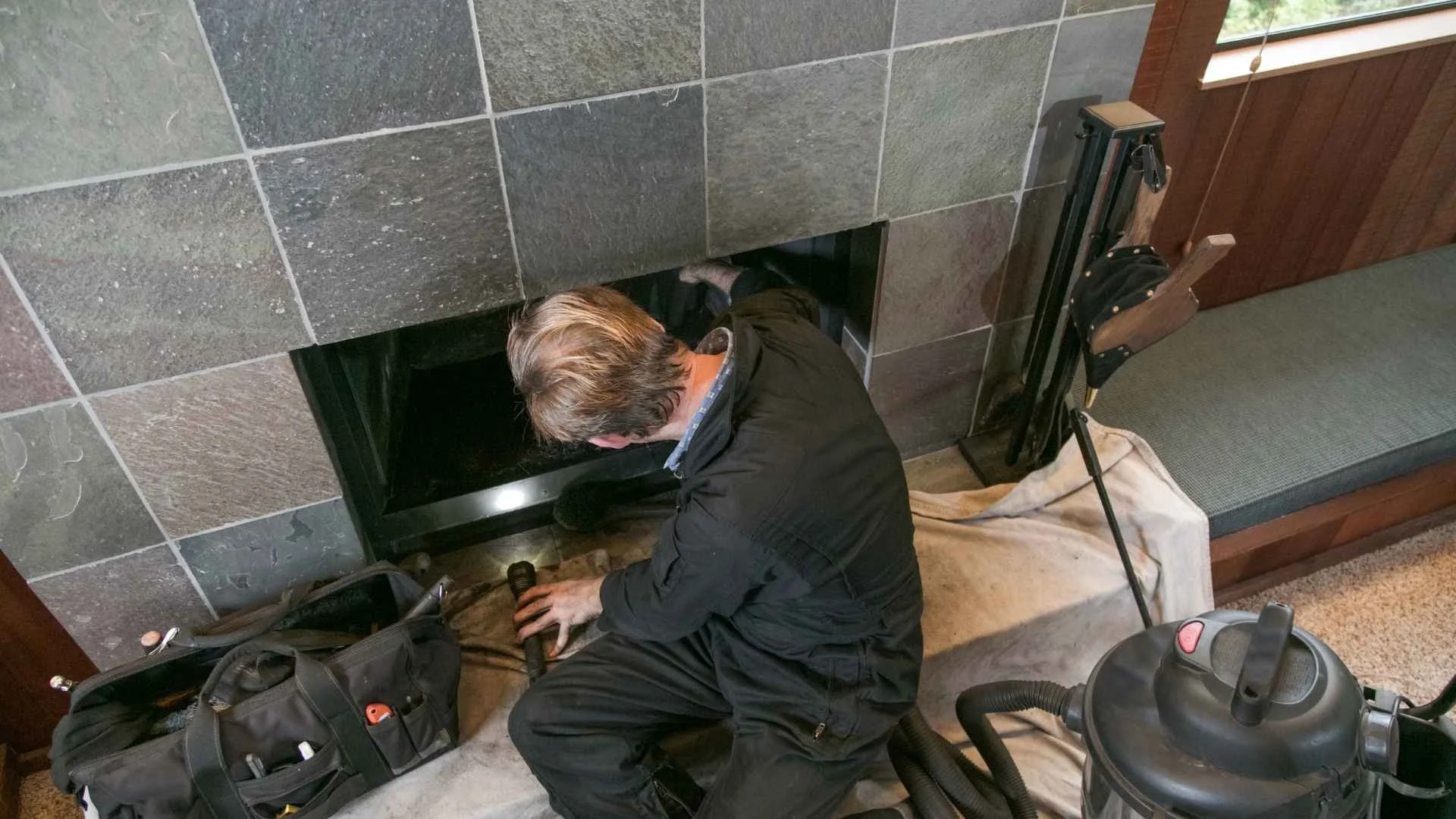
If you use a wood burning fireplace in your Michigan home, creosote buildup is not just a minor inconvenience. It is a serious fire hazard that requires immediate attention. Creosote removal is one of the most important maintenance services homeowners can schedule to protect their property and family.
Creosote forms naturally when wood burns. While it may start as a thin residue inside your chimney flue, it can quickly accumulate into thick, highly flammable deposits. Without proper creosote removal, this buildup increases the risk of chimney fires, restricts airflow, and reduces heating efficiency.
Many homeowners wait until fall to think about chimney cleaning, but creosote removal should happen as soon as buildup is detected. Addressing it now before spring prevents damage, improves performance, and prepares your fireplace for safe operation in the future.
What Is Creosote
Creosote is a tar like substance created when wood smoke condenses inside a cooler chimney flue. When wood burns, it releases gases and tiny particles. As these byproducts rise through the chimney, they cool and cling to the flue walls.
Over time, this condensation hardens into layers of creosote. Without consistent creosote removal, these layers become thicker and more difficult to remove.
There are three stages of creosote buildup:
Stage one creosote
This appears as a flaky or dusty soot. Creosote removal at this stage is relatively straightforward.
Stage two creosote
This stage forms a crunchy or tar like texture that sticks firmly to flue walls. Creosote removal becomes more labor intensive at this level.
Stage three creosote
This is the most dangerous stage. It forms a shiny hardened glaze that is extremely flammable and very difficult to remove. Professional creosote removal is absolutely necessary at this stage.
Understanding these stages highlights why regular creosote removal is critical before buildup reaches a dangerous point.
How Creosote Forms in Your Chimney
Several factors contribute to creosote formation:
Burning unseasoned wood
Wet or green wood produces more smoke and moisture, accelerating creosote buildup and increasing the need for creosote removal.
Low temperature fires
Smoldering fires create more smoke and less complete combustion, leading to heavier creosote deposits that require creosote removal.
Restricted airflow
Blocked chimneys or closed dampers slow smoke movement, allowing more condensation and buildup that demands creosote removal.
Cold chimney flues
When exterior temperatures are low, flue walls cool quickly. This encourages smoke condensation and makes creosote removal necessary sooner.
In Michigan, long winters and frequent fireplace use create ideal conditions for rapid buildup, making creosote removal especially important.
Why Creosote Is Dangerous
Creosote is highly flammable. When enough buildup accumulates, even a small spark can ignite it. Chimney fires caused by creosote buildup can burn at extremely high temperatures, damaging liners, cracking masonry, and spreading to other parts of the home.
According to the National Fire Protection Association, failure to clean chimneys is a leading factor contributing to home heating fires. This statistic underscores the importance of professional creosote removal.
Beyond fire risk, creosote buildup restricts airflow. This reduces draft efficiency, causes smoke to back up into your home, and decreases overall heating performance. Regular creosote removal restores proper ventilation and reduces these hazards.
Signs You Need Creosote Removal
Many homeowners are unaware that creosote buildup has reached a dangerous level. Warning signs include:
Strong smoky odors
If your fireplace smells heavily of smoke even when not in use, creosote removal may be overdue.
Reduced draft
Difficulty starting fires or smoke entering the room indicates restricted airflow and a need for creosote removal.
Visible black buildup
If you see thick black residue inside the firebox or flue, schedule creosote removal immediately.
Falling debris
Chunks of hardened creosote may fall into the firebox, signaling advanced buildup that requires professional creosote removal.
Addressing these signs early prevents more serious structural and safety concerns.
The Impact on Fireplace Efficiency
Creosote buildup does more than create fire risk. It reduces heating efficiency. Thick deposits narrow the flue passage, limiting proper airflow. This forces your fire to work harder while producing less heat.
Creosote removal restores optimal airflow, allowing your fireplace to burn more efficiently. Improved combustion means better heat output and less wasted fuel.
In addition, creosote removal reduces strain on chimney components. When airflow is unobstructed, dampers and liners function properly, extending their lifespan.
Structural Damage Caused by Creosote
If a chimney fire occurs due to neglected creosote removal, the damage can be severe. High temperatures can crack clay liners, warp metal components, and weaken brick masonry.
Even without a full chimney fire, heavy creosote buildup traps moisture against flue walls. This moisture contributes to masonry deterioration, increasing the need for costly repairs.
Timely creosote removal prevents these structural risks and protects your chimney investment.
Why Spring Is a Smart Time for Creosote Removal
Many Michigan homeowners use their fireplaces heavily during winter. By early spring, months of burning have likely produced significant creosote accumulation.
Scheduling creosote removal in spring offers several advantages:
You remove buildup before warm humid weather intensifies chimney odors.
You reduce the risk of unnoticed summer chimney fires.
You avoid the busy fall season rush.
Spring creosote removal prepares your fireplace for safe operation when cooler temperatures return.
The Creosote Removal Process
Professional creosote removal involves more than brushing soot from the flue. Technicians inspect the chimney, assess buildup stages, and select appropriate removal methods.
Tools may include:
Specialized chimney brushes
Rotary cleaning systems
Industrial vacuums
Chemical treatments for hardened glaze deposits
In severe cases, advanced mechanical tools are required for effective creosote removal. Attempting to remove hardened creosote without professional equipment can damage the chimney lining.
Why Professional Creosote Removal Is Essential
While some homeowners attempt do it yourself cleaning, professional creosote removal ensures thorough and safe results.
Certified technicians can:
Identify hidden buildup
Detect structural damage
Ensure liner integrity
Confirm safe venting
Improper cleaning may leave dangerous residue behind. Professional creosote removal eliminates the hazard completely and provides documentation of maintenance for insurance purposes.
How Often Should Creosote Removal Be Scheduled
The frequency of creosote removal depends on how often the fireplace is used. The general recommendation is at least once per year, but heavy users may require more frequent service.
Michigan homeowners who burn wood regularly during winter should schedule annual creosote removal and inspection to maintain safety and efficiency.
Preventing Future Creosote Buildup
While creosote removal is necessary, certain practices reduce buildup between cleanings:
Burn only seasoned hardwood
Maintain proper airflow
Avoid smoldering fires
Schedule regular inspections
These steps minimize accumulation but do not eliminate the need for routine creosote removal.
The Cost of Ignoring Creosote Removal
Delaying creosote removal increases the likelihood of chimney fire, structural damage, and expensive repairs. In severe cases, entire chimney rebuilds may be required.
Compared to the cost of major reconstruction, routine creosote removal is a modest investment that delivers significant protection.
Protecting Your Home and Family
Your fireplace should provide warmth and comfort, not hidden danger. Creosote removal ensures your chimney vents safely and performs efficiently.
Addressing buildup promptly reduces fire risk, improves heating performance, and extends the life of your chimney system.
Contact The Grate Haus
If your fireplace has been working hard this winter, now is the time to schedule professional creosote removal. Protect your home, improve efficiency, and ensure safe operation before your next burn season.
Contact The Grate Haus today to schedule your inspection and creosote removal service. Their experienced Michigan team is ready to help keep your chimney clean, safe, and performing at its best.