
How Spring Thaw Impacts Your Chimney Structure
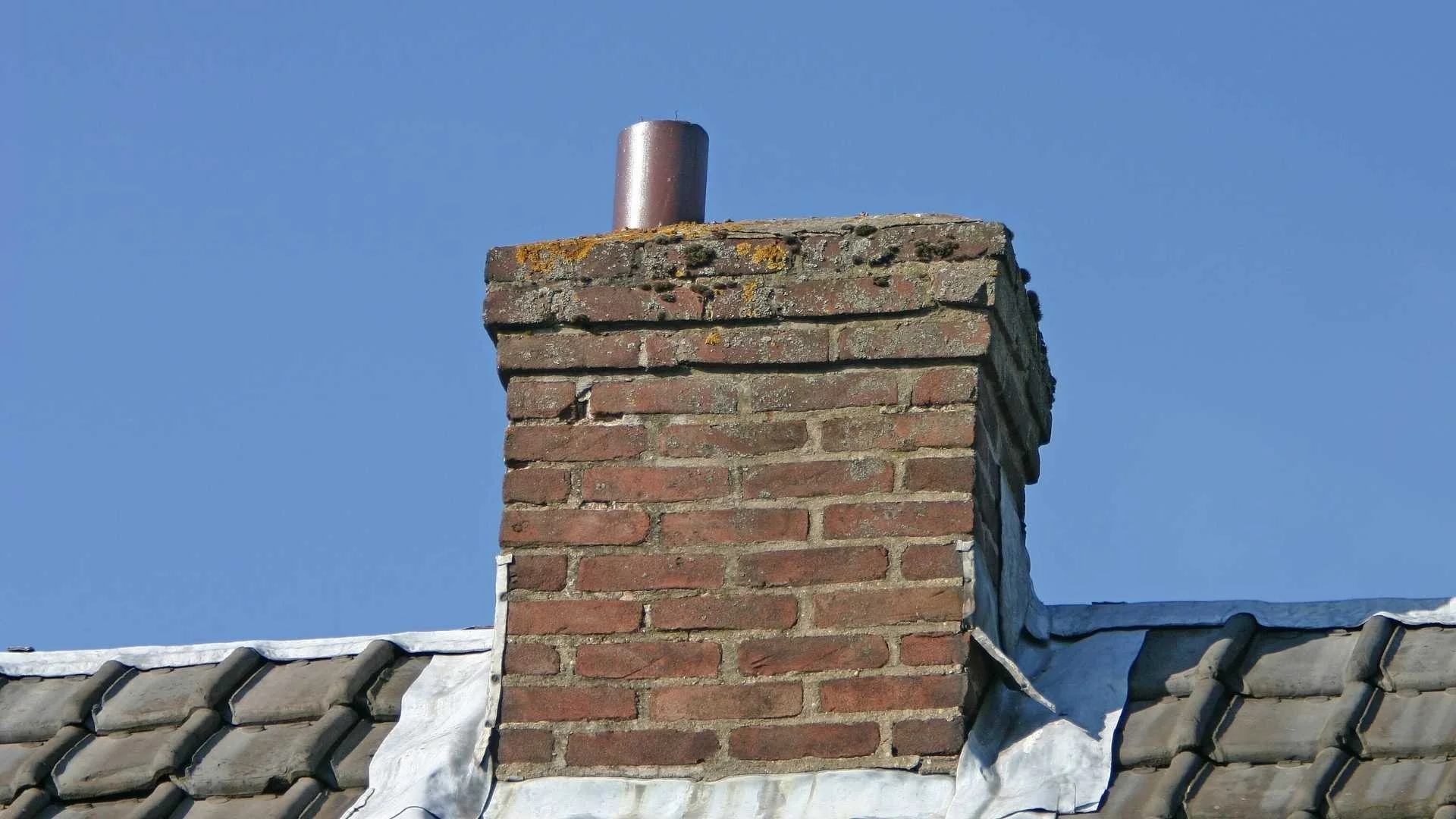
Michigan winters are long, cold, and unforgiving. But what many homeowners do not realize is that some of the most serious chimney damage does not fully reveal itself until spring arrives. As temperatures rise and accumulated snow begins to melt, moisture infiltrates chimney masonry, creating hidden structural stress. This seasonal shift makes chimney repair one of the most important services homeowners should consider between March and April.
The spring thaw creates the perfect conditions for masonry deterioration. When water that has seeped into brick and mortar freezes and then thaws repeatedly, expansion and contraction occur. Over time, this weakens the chimney structure, leading to cracks, spalling, and instability. Understanding how this process works helps explain why chimney repair becomes especially important in early spring.
Understanding the Freeze and Thaw Cycle
Brick and mortar are porous materials. During winter, snow and ice sit on and around your chimney for extended periods. As daytime temperatures rise slightly above freezing, that snow melts and water is absorbed into the masonry.
When temperatures drop again at night, the absorbed water freezes. Water expands when frozen, increasing in volume by roughly nine percent. This expansion places pressure on the surrounding masonry. Over weeks and months of repeated freeze and thaw cycles, that pressure causes small cracks to form. Eventually, these cracks widen and pieces of brick begin to break apart.
This process makes chimney repair essential once spring arrives. Damage that appears minor on the surface often indicates deeper structural concerns that require professional chimney repair before the next winter season begins.
Why Michigan Chimneys Are Especially Vulnerable
Michigan experiences frequent temperature fluctuations during late winter and early spring. It is common to have above freezing temperatures during the day and freezing temperatures at night. This creates ideal conditions for repeated freeze and thaw stress.
Additionally, heavy snowfall increases the amount of moisture surrounding the chimney. As spring thaw accelerates, large volumes of water can saturate masonry quickly. Without timely chimney repair, this seasonal moisture exposure weakens structural components, allowing further deterioration throughout the year.
Because chimneys extend above the roofline, they are fully exposed to wind, rain, and temperature changes. Unlike other parts of the home that may benefit from insulation or siding protection, chimneys bear the full force of seasonal weather. This exposure makes chimney repair a common need for Michigan homeowners each spring.
Common Types of Spring Thaw Damage
Several forms of damage frequently appear after the spring thaw. Identifying them early allows for targeted chimney repair before more extensive structural failure occurs.
Cracked mortar joints
Mortar is softer than brick and often deteriorates first. When mortar begins to crumble, chimney repair may involve tuckpointing, which replaces weakened joints to restore stability.
Spalling bricks
Spalling occurs when the surface of a brick flakes or peels away. This is a direct result of freeze and thaw expansion. Spalling is a clear sign that chimney repair is necessary to prevent deeper penetration of moisture.
Chimney crown deterioration
The chimney crown sits at the top of the structure and directs water away from masonry. Cracks in the crown allow water to enter directly into the chimney system. Chimney repair may involve crown resurfacing or rebuilding.
Flashing separation
Flashing seals the joint between the chimney and roof. During spring thaw, expansion and contraction can cause flashing to loosen. Chimney repair at this stage prevents roof leaks and interior water damage.
Leaning or shifting chimneys
Severe moisture saturation can compromise the foundation of the chimney. In such cases, chimney repair may involve structural reinforcement to prevent collapse.
Interior Effects of Spring Chimney Damage
The impact of spring thaw is not limited to exterior masonry. Interior components can also suffer when moisture infiltrates the chimney system.
Damaged flue liners
Water intrusion can corrode metal liners or crack clay liners. Chimney repair involving liner replacement restores safe venting and proper draft.
Rusting dampers
When moisture enters through cracks, metal components such as dampers begin to rust. Chimney repair may include damper replacement to maintain energy efficiency.
Staining and odors
Water infiltration often leads to staining around the fireplace or unpleasant odors. Professional chimney repair addresses the root cause rather than masking symptoms.
The Cost of Delaying Chimney Repair
Ignoring minor masonry cracks after spring thaw can lead to much larger problems by the following winter. Small cracks widen, allowing additional moisture to penetrate deeper layers of brick. Structural weakening accelerates, and chimney repair becomes more extensive and costly.
Delaying chimney repair may result in:
Complete chimney rebuild
Interior ceiling and wall damage
Reduced fireplace efficiency
Increased risk of chimney fire
Higher heating costs
Addressing chimney repair in early spring prevents minor deterioration from becoming a major structural project.
The Importance of Professional Inspection
A professional chimney inspection after winter is the most reliable way to determine whether chimney repair is needed. Certified technicians assess visible and hidden damage, ensuring that underlying issues are addressed properly.
According to the Chimney Safety Institute of America, annual chimney inspections are recommended to ensure structural integrity and safety. Scheduling an inspection in spring allows homeowners to plan chimney repair well before colder weather returns.
Waterproofing as Part of Chimney Repair
One of the most effective preventative measures following chimney repair is waterproofing. Applying a vapor permeable sealant protects masonry from absorbing excessive moisture while still allowing trapped water vapor to escape.
Waterproofing extends the life of chimney repair work by reducing future freeze and thaw stress. It serves as a protective barrier against spring rains and lingering snowmelt.
How Tuckpointing Restores Structural Stability
Tuckpointing is a common chimney repair technique used to replace deteriorated mortar joints. During this process, damaged mortar is removed and replaced with new mortar that matches the original structure.
This targeted chimney repair restores structural strength and prevents water from penetrating between bricks. Tuckpointing performed after spring thaw can significantly extend the lifespan of the chimney.
Chimney Crown Repair After Winter
The chimney crown plays a critical role in shedding water away from masonry. If cracks develop during winter, water flows directly into the chimney core.
Crown repair is a specialized form of chimney repair that seals cracks and reinforces the top of the chimney. In cases of severe damage, rebuilding the crown ensures long term protection against moisture.
Chimney Caps and Spring Protection
Installing or replacing a chimney cap is another effective chimney repair solution following winter damage. A properly fitted cap prevents rainwater, debris, and animals from entering the flue.
Spring is an ideal time to evaluate chimney caps because winter storms may have loosened or damaged them. Prompt chimney repair in this area reduces water intrusion risks during heavy spring rains.
Energy Efficiency and Chimney Repair
A damaged chimney does more than compromise structural integrity. It also affects energy efficiency. Cracks and gaps allow conditioned air to escape while permitting cold air infiltration.
Timely chimney repair seals these openings, improving fireplace performance and reducing strain on heating systems. Even during transitional spring months, maintaining an airtight chimney system improves overall comfort.
Planning Chimney Repair Before Fall
Spring offers homeowners a strategic advantage. Scheduling chimney repair during March or April avoids the rush of fall appointments. It also ensures that any structural concerns are fully addressed before colder temperatures return.
By completing chimney repair in spring, homeowners gain peace of mind knowing their chimney is prepared for the next heating season.
Why Michigan Homeowners Trust The Grate Haus
Michigan weather requires specialized knowledge. The Grate Haus understands the local climate, building standards, and common freeze and thaw damage patterns.
From minor mortar restoration to comprehensive chimney repair, their team provides thorough inspections and tailored solutions designed for Michigan conditions. Addressing spring thaw damage promptly protects both the structural integrity of the chimney and the safety of the home.
Final Thoughts
Michigan’s spring thaw brings relief from winter cold, but it also reveals the hidden toll that months of snow and ice have taken on chimney structures. Freeze and thaw cycles weaken masonry, crack mortar, and allow moisture to infiltrate critical components.
Chimney repair performed in early spring prevents escalating damage, reduces long term costs, and prepares the chimney for future seasons. Ignoring these issues allows small cracks to evolve into significant structural problems.
If your chimney has endured another Michigan winter, now is the time to take action.
Contact The Grate Haus
Protect your home with professional chimney repair tailored to Michigan’s climate. Schedule your spring inspection and ensure your chimney is structurally sound before the next season begins.
Contact The Grate Haus today and let their experienced team restore the safety and durability of your chimney.