
Choosing the Right Patio Furniture for Michigan Weather
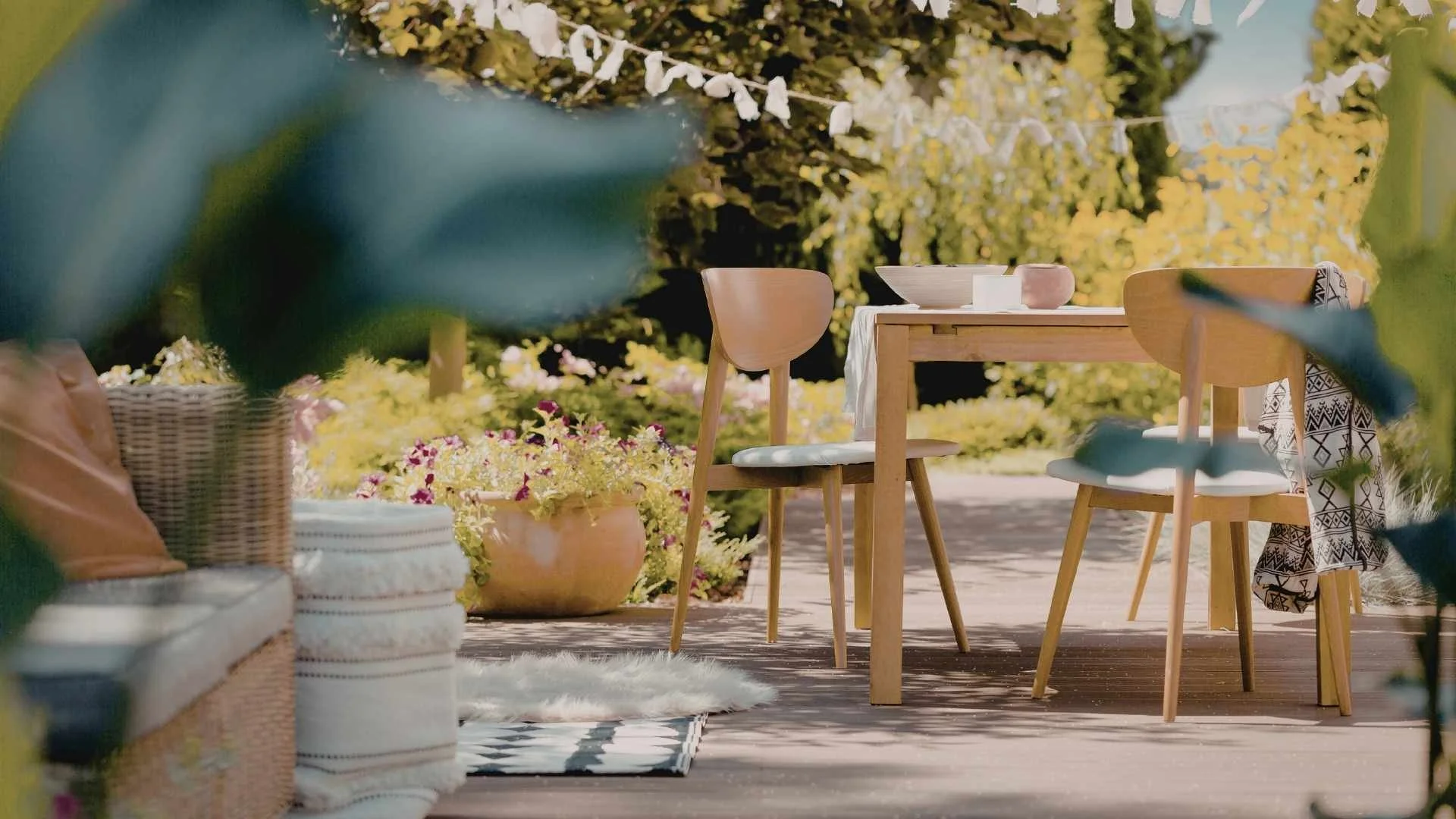
Michigan homeowners experience a full range of seasons, from humid summers to snowy winters. That variety makes outdoor living enjoyable, but it also demands thoughtful planning when selecting patio furniture. The pieces you choose must handle moisture, temperature swings, UV exposure, and wind without losing their structural integrity or visual appeal.
Investing in quality patio furniture is about more than style. It is about performance in a demanding climate. When you understand how regional weather patterns affect outdoor materials, you can make decisions that protect your investment and ensure long term satisfaction.
Michigan Climate and Outdoor Living
Michigan’s climate presents several environmental stressors that influence material selection. Spring often brings heavy rainfall and fluctuating temperatures. Summer introduces humidity and strong sunlight. Fall can shift quickly between mild days and chilly nights. Winter delivers snow, ice, and extended freezing conditions.
According to the National Centers for Environmental Information, Michigan sees wide seasonal variation in temperature and precipitation throughout the year. These conditions create expansion and contraction cycles in many materials, especially those exposed outdoors.
Moisture is one of the primary concerns. Rain and melting snow can penetrate porous surfaces, leading to warping, rust, mold growth, and joint failure. Freeze-thaw cycles intensify these risks when trapped water expands in cracks or seams. Ultraviolet exposure further degrades certain plastics and fabrics over time.
Because of these factors, selecting patio furniture requires attention to engineering, finishes, and long-term maintenance requirements rather than appearance alone.
Material Selection for Durability
The performance of outdoor seating and dining sets largely depends on the materials used in frames and surfaces. Some materials are naturally resistant to Michigan weather, while others require protective treatments and consistent care.
Aluminum Frames
Powder-coated aluminum is one of the most reliable choices for outdoor settings in northern climates. It is lightweight, corrosion-resistant, and structurally stable. Unlike untreated steel, aluminum does not rust when exposed to moisture.
The powder coating acts as a barrier against scratches and oxidation. For homeowners who prefer low-maintenance solutions, aluminum frames offer durability without excessive upkeep. They are also easy to reposition or store before winter.
Hardwood Options
Teak and other dense hardwoods are valued for their natural oils and moisture resistance. Teak in particular has been used in marine environments because of its dimensional stability. Over time, it develops a silver-gray patina that many homeowners appreciate.
Other hardwood species may require sealing to prevent water intrusion. Regular cleaning and periodic oil treatments extend service life. When properly maintained, quality wood pieces can endure many Michigan seasons while offering a warm, natural aesthetic.
Synthetic Wicker
Resin-based woven materials provide the look of traditional wicker with improved resilience. High-density polyethylene fibers resist moisture, cracking, and fading better than organic wicker.
When choosing woven styles, confirm that the internal frame is aluminum rather than steel. This reduces corrosion risk in humid or rainy conditions. Properly constructed pieces maintain shape and stability over time.
Steel and Wrought Iron
Steel and wrought iron are strong and visually striking, but they require protective coatings to prevent rust. In regions with frequent precipitation, powder coating or galvanization is essential.
Heavier metal frames can be beneficial in windy areas, yet they demand regular inspection for chips or scratches in the finish. Prompt touch-ups prevent corrosion from spreading.
Cushion Construction and Fabric Performance
Comfort depends heavily on fabric and foam quality. Outdoor cushions should be engineered specifically for exterior use rather than adapted from interior products.
Solution-dyed acrylic fabrics are a preferred choice because color is integrated into the fiber itself, reducing fading from sun exposure. These materials also resist mildew and staining when properly maintained.
Quick-drying foam cores allow moisture to drain rather than remain trapped. Removable covers simplify cleaning and seasonal storage. During prolonged rain or winter months, bringing cushions indoors significantly extends their lifespan.
Selecting high-performance textiles ensures that seating remains attractive and comfortable even after repeated exposure to humidity and sunlight.
Planning for Winter Conditions
Michigan winters present the most extreme test for outdoor installations. Snow accumulation and ice can place stress on joints and surfaces. Even durable materials benefit from protective measures.
Whenever possible, move items into a garage, shed, or enclosed porch before heavy snowfall. If indoor storage is unavailable, invest in breathable covers designed for exterior use. Proper ventilation prevents condensation buildup beneath the cover.
Elevating frames slightly off concrete surfaces can also reduce prolonged contact with standing water during thaw cycles. These preventive steps help preserve structural integrity and finish quality.
Space Planning and Layout
Durability is critical, but functionality and layout are equally important. Before making a purchase, evaluate how the outdoor area will be used.
If you frequently host gatherings, prioritize ample seating and durable dining surfaces. For smaller spaces, compact bistro sets or modular seating may be more appropriate. Leave sufficient clearance for traffic flow and access points.
Measure carefully to avoid overcrowding. Balanced spacing enhances comfort and improves overall visual proportion. Thoughtful planning ensures that your investment supports both everyday relaxation and entertaining needs.
Aesthetic Integration
Outdoor areas should complement the architectural style of the home. Modern exteriors often pair well with clean lines and neutral finishes. Traditional homes may benefit from more ornate details or classic silhouettes.
Color coordination between frames, cushions, and surrounding landscaping creates visual harmony. Earth tones blend naturally with wooded environments, while lighter palettes reflect sunlight and contribute to an airy atmosphere.
Design cohesion transforms a simple patio into a seamless extension of the interior living space.
Maintenance Best Practices
Routine maintenance protects your investment and reduces long-term repair costs. At the start and end of each season, inspect joints, fasteners, and finishes for signs of wear.
Clean frames with mild soap and water to remove dirt and environmental residue. Avoid harsh chemicals that may damage protective coatings. Wood surfaces may require periodic oiling depending on the species and desired finish.
Promptly addressing minor issues prevents more significant structural problems later. Consistent care extends usable life and preserves appearance.
Budget Considerations and Long-Term Value
Lower priced products may appear attractive initially, but they often lack the material quality necessary for Michigan’s climate. Thin metals, untreated wood, or low-grade fabrics can deteriorate quickly under moisture and sun exposure.
Evaluate construction details such as weld integrity, joint reinforcement, and finish thickness. Review manufacturer warranties as indicators of expected longevity. Higher initial investment frequently translates into reduced replacement costs over time.
Outdoor living areas contribute to both lifestyle enjoyment and property value. Selecting well-built components ensures dependable performance across multiple seasons.
Sustainability and Responsible Choices
Environmentally conscious homeowners may consider recycled or sustainably sourced materials. Recycled plastics can replicate the appearance of wood while resisting moisture and insects. Certified hardwoods support responsible forestry practices.
Longevity itself is a sustainability factor. Products that last longer reduce waste and resource consumption associated with frequent replacement.
By combining durability with responsible sourcing, you can create an outdoor setting that aligns with both environmental values and climate demands.
Conclusion
Choosing the right patio furniture for Michigan weather requires careful evaluation of materials, construction, fabric performance, and seasonal protection strategies. From aluminum frames to hardwood options and performance textiles, each component plays a role in long-term resilience.
Understanding the effects of moisture, freeze-thaw cycles, and ultraviolet exposure allows you to select pieces that maintain structural integrity and visual appeal throughout the year. Proper maintenance and winter storage further enhance durability.