
Gas, Wood, Pellet, or Electric: Which Fireplace Is Right for You?
Choosing the right fireplace for your home is one of the most meaningful investments you can make in your living space. With four distinct fireplace types available today, each offering a different combination of ambiance, heat output, fuel cost, and maintenance requirements, the decision deserves more than a quick guess. Whether you are building a new home, replacing an older unit, or simply exploring your options, understanding what sets each fireplace type apart will help you make a confident, well-informed choice.
This guide breaks down gas, wood, pellet, and electric fireplaces side by side so Michigan homeowners can find the best fit for their lifestyle, home layout, and budget. We will cover installation requirements, ongoing costs, heat output, maintenance demands, and the kind of ambiance each fireplace type creates, so you have everything you need to move forward with confidence.
Gas Fireplaces: Convenience and Consistent Heat
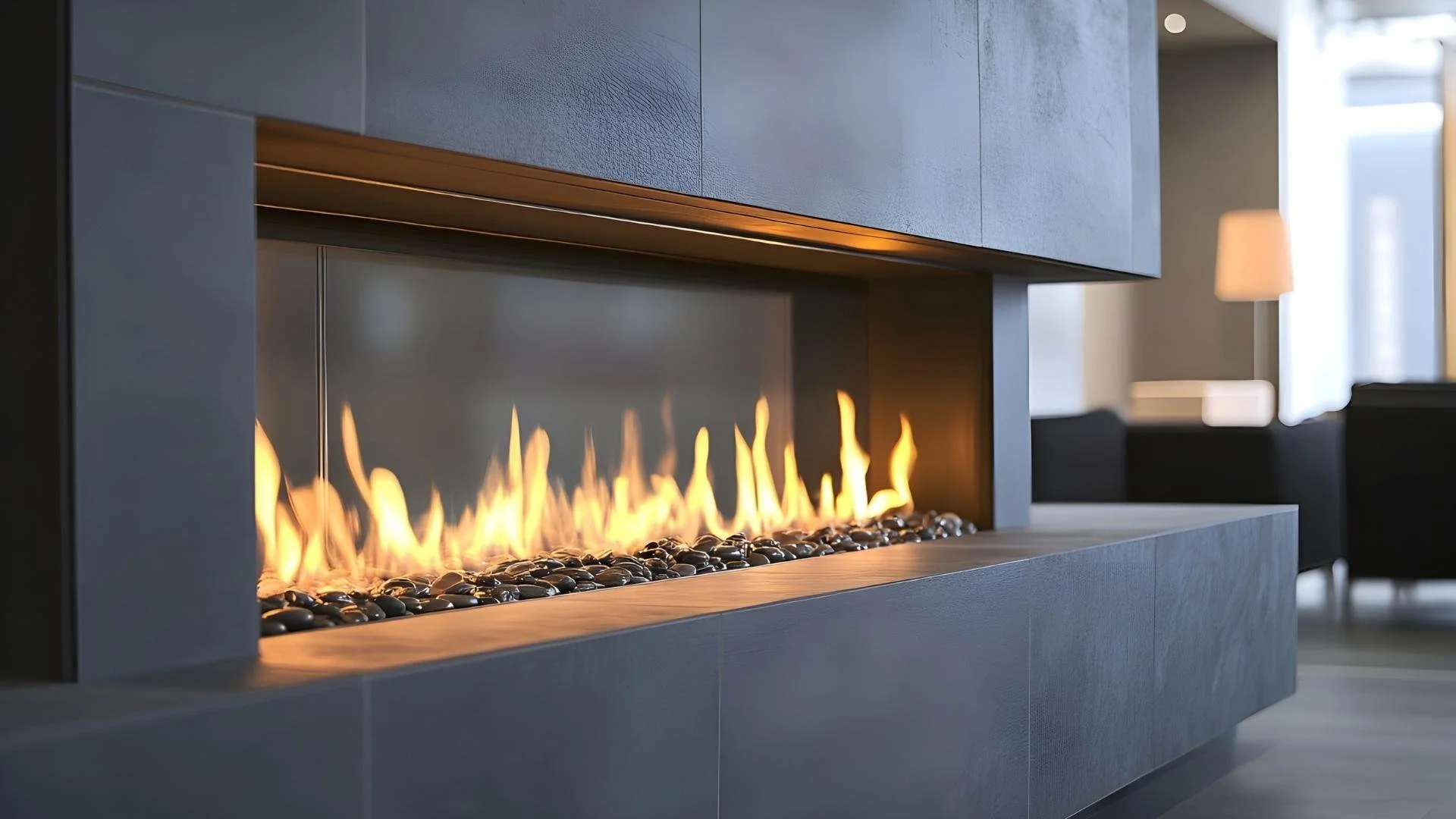
Gas fireplaces are among the most popular fireplace types on the market today, and for good reason. They ignite instantly with the flip of a switch or the press of a remote, require no wood storage, and produce consistent, controllable heat without the mess of ash or soot. For busy households that want the warmth and ambiance of a real flame without the effort, gas is often the clear frontrunner.
There are two main varieties: natural gas and propane. Natural gas is typically more cost-effective in areas with existing gas lines, while propane offers more flexibility for homes in rural Michigan that are not connected to a municipal supply. Both options are highly efficient, with many modern units achieving efficiency ratings between 70% and 85%.
Installation does require access to a gas line and proper venting, which adds to upfront costs. Direct-vent gas fireplaces are the most common choice for new installations because they draw combustion air from outside and expel exhaust through a sealed pipe system, making them both safe and energy-efficient. Annual inspections and occasional burner cleaning are the primary maintenance requirements, keeping long-term upkeep relatively manageable.
Gas fireplaces are an excellent option for homeowners who prioritize ease of use, reliable heat output, and a clean, modern aesthetic. They pair well with a wide range of mantel and surround styles, making them a versatile choice across different fireplace types and home designs.
Wood Fireplaces: The Classic Experience
Few fireplace types match the atmosphere created by a traditional wood-burning fireplace. The crackling sound, the natural scent of burning wood, and the visual warmth of a real log fire are experiences that many homeowners simply do not want to compromise on. For those who value authenticity and tradition above all else, wood remains the gold standard.
Wood fireplaces are also practical in areas where firewood is locally abundant and affordable. Michigan homeowners with access to their own land or a reliable local supplier often find that wood burning is one of the most economical heating options available over the long term. Hardwoods like oak, maple, and cherry are the top choices for clean, efficient burns.
The trade-offs are worth understanding before committing. Wood fireplaces require a full masonry or factory-built firebox, a functional chimney system, and consistent maintenance, including annual chimney sweeping to prevent creosote buildup. According to the U.S. Consumer Product Safety Commission, failure to clean chimneys regularly is one of the leading causes of residential chimney fires. Proper upkeep is not optional with this fireplace type; it is essential.
Wood fireplaces also produce particulate emissions, which have led some municipalities to place restrictions on their use during high air quality alert days. Before installing or purchasing a wood-burning unit, it is worth checking local regulations to make sure there are no limitations in your area.
Pellet Fireplaces: Efficiency Meets Automation
Pellet fireplaces occupy an interesting middle ground among the major fireplace types. They burn compressed wood pellets, which are a renewable, low-emission fuel source that produces significantly less particulate matter than traditional cord wood. For homeowners who want the warmth and character of a wood-burning appliance but with better efficiency and cleaner air output, pellet fireplaces are a compelling option.
One of the standout advantages of pellet fireplaces is their level of automation. Most units come with programmable thermostats and automatic feeders that move pellets from a hopper into the burn chamber at a controlled rate. This means you can set a desired temperature, load the hopper, and let the unit do the rest, often for 24 to 72 hours before needing a refill, depending on the hopper size and heat setting.
Pellet fuel is sold in 40-pound bags and is widely available at hardware stores and home improvement retailers throughout Michigan. Storage is straightforward as long as pellets are kept dry. Costs can vary seasonally, so buying in bulk before peak demand is a smart way to manage expenses.
The main limitation of pellet fireplaces is their dependence on electricity to power the auger, blower, and control systems. During a power outage, a pellet fireplace will not operate, which is a meaningful consideration for Michigan homeowners who experience winter storms. Maintenance involves regular ash removal, cleaning of the burn pot, and annual professional servicing to keep components functioning reliably. Among all four fireplace types, pellet units tend to require the most hands-on routine upkeep.
Electric Fireplaces: Flexibility and Simplicity
Electric fireplaces have evolved dramatically over the past decade. What was once a novelty item with cartoonish flames has become a genuinely attractive and functional appliance, available in wall-mounted panels, built-in inserts, and freestanding units that can be placed virtually anywhere in the home. For renters, apartment dwellers, or homeowners without existing chimney infrastructure, electric fireplaces offer a level of installation flexibility that no other fireplace type can match.
Setup is as simple as plugging into a standard 120-volt outlet, though some higher-output models require a dedicated 240-volt circuit. There is no venting required, no fuel to store, and no combustion byproducts to manage. This makes electric fireplaces the safest option for homes with young children or pets, and the most accessible choice for rooms where traditional fireplace installation would be difficult or expensive.
Heat output is generated by an electric heating element and distributed by a built-in blower, making electric fireplaces reasonably effective at warming a single room. They are not designed to serve as a primary heating source for a full home, but as a supplemental zone heating solution, they perform well. Operating costs depend on your local electricity rates, and running the flame effect without heat is an option on most models, letting you enjoy the ambiance year-round without adding to your energy bill.
The realistic flame effect in modern electric fireplaces uses LED technology to simulate fire convincingly. While purists may prefer the real thing, many homeowners find that contemporary electric units provide more than enough visual appeal. Among all the fireplace types covered here, electric offers the lowest barrier to entry and the greatest placement versatility.
Comparing All Four Fireplace Types Side by Side
When weighing your options, a few key factors tend to drive the final decision. Installation cost is highest for gas and masonry wood fireplaces, which require professional gas line work or chimney construction. Pellet and electric units are generally more affordable to install, with electric being the least expensive by a wide margin.
Ongoing operating costs tell a different story. Wood and pellet fireplaces typically have lower fuel costs than gas or electric in Michigan, particularly for homeowners who buy in bulk or source their own firewood. Gas costs are moderate and predictable, while electricity rates can make electric fireplaces more expensive to operate at full heat output.
For ambiance, wood and gas fireplaces lead the field. Real flames, whether from a log fire or a gas burner, create an atmosphere that electric technology has not fully replicated, though modern electric units have closed that gap considerably. For pure convenience, gas and electric come out ahead, with minimal maintenance and instant operation.
Resale value is another factor worth considering. According to the National Association of Realtors, a fireplace can increase a home's selling price and is consistently listed as a desirable feature by buyers. Gas and wood fireplaces tend to have the strongest impact on resale value, though any well-maintained and attractively designed fireplace type adds appeal. If you are making a long-term investment in your home, factoring in buyer perception alongside your own preferences is a smart move.
Which Fireplace Type Is Right for Your Home?
The right answer depends on your priorities. If convenience and low maintenance are your top concerns, a gas fireplace is likely your best match. If you want the most authentic wood-burning experience and do not mind regular upkeep, a traditional wood fireplace delivers an atmosphere that the other fireplace types simply cannot replicate. If efficiency and automation matter more than authenticity, a pellet fireplace offers an impressive combination of both. And if you need flexibility, easy installation, or a solution for a room without chimney access, an electric fireplace is a practical and increasingly stylish choice.
Michigan's climate also plays a role. Winters here are long and genuinely cold, which means heat output matters. Gas, wood, and pellet fireplaces all produce meaningful BTU output capable of heating a room or supplementing your central system. Electric units work best as zone heating solutions rather than primary heat sources for large spaces.
It is also worth thinking about your home's existing infrastructure. If you already have a functional chimney, a wood or gas fireplace insert is a natural fit. If you are starting from scratch in a new space or a finished room, the venting requirements for gas and the structural demands of masonry wood fireplaces may tip the decision toward pellet or electric. Every home is different, and the best fireplace type for your neighbor may not be the best one for you.
Talk to The Grate Haus About Your Options
At The Grate Haus, we carry gas, wood, pellet, and electric fireplaces and work with Michigan homeowners to find the right fit for their home, heating needs, and design vision. Our team can walk you through the differences in person, help you understand installation requirements, and recommend the fireplace type that makes the most sense for your specific situation. If you are ready to explore your options or have questions about any of the fireplace types covered in this guide, we would love to hear from you. Contact The Grate Haus today to get started.