
Fall Fireplace Checklist: Getting Ready Before the First Cold Snap
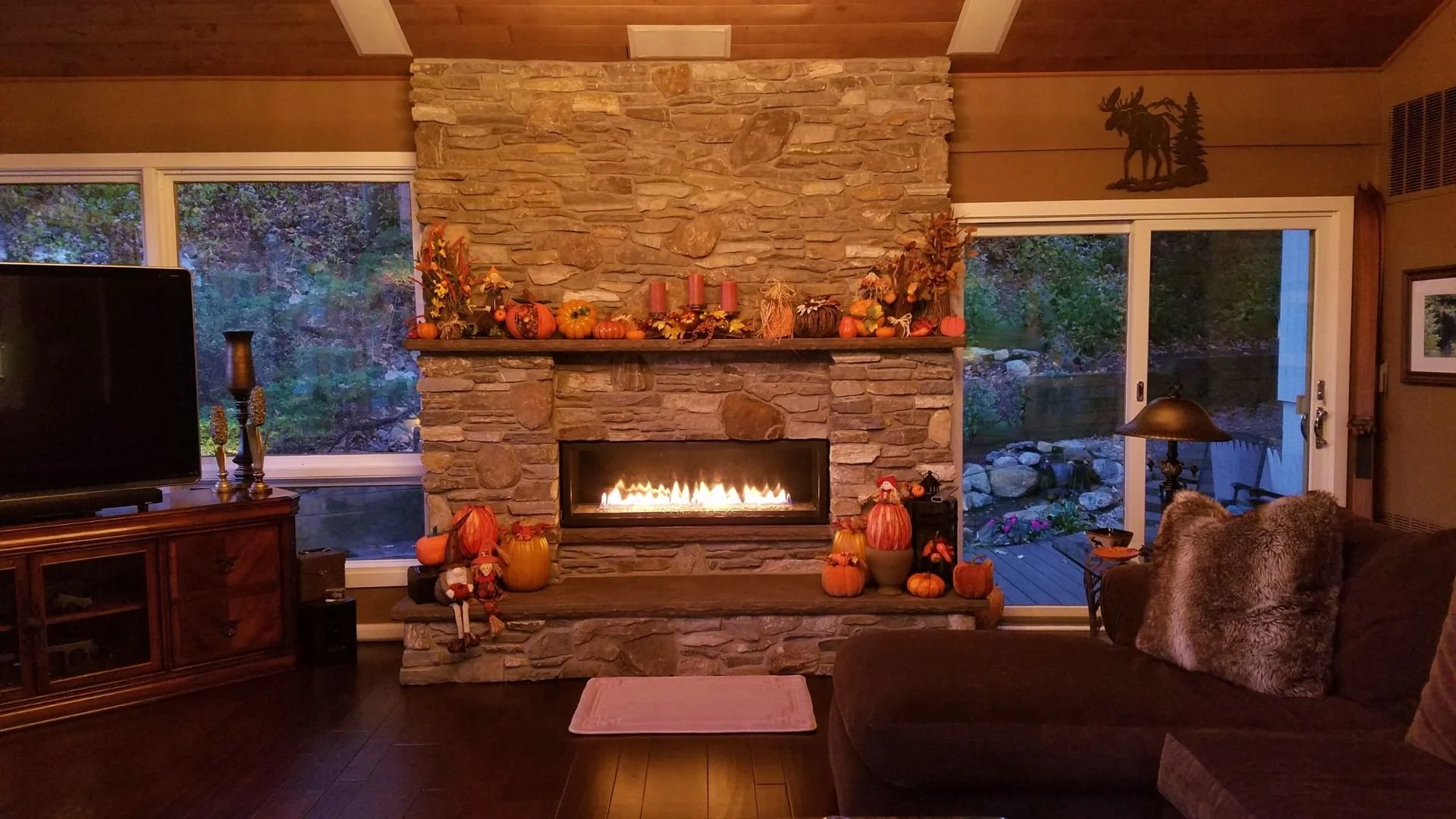
Once the temperature starts dropping, there's nothing quite like the first fire of the season. But before you strike that match, your fireplace deserves a little attention. A fireplace that's been sitting unused since last winter needs some prep work to make sure it's actually ready to perform safely once you start using it regularly again.
Why Fall Prep Matters
Your fireplace and chimney don't just sit idle and wait patiently for you to come back to them each fall. Debris can build up, animals occasionally make themselves at home in an unused flue, and small issues that developed over the past year tend to go unnoticed until you're actually trying to use the fireplace again. Taking care of this now, before the first genuinely cold night hits, means you're not scrambling to fix something in the middle of your first fire of the season.
Schedule a Professional Chimney Inspection
This is the single most important step on this list. The Chimney Safety Institute of America recommends having your chimney inspected annually, regardless of how much or how little you actually used it the previous season. A professional inspection checks for creosote buildup, blockages, cracks, and any structural issues that could affect how safely your fireplace operates.
Even if your fireplace seemed to work fine last winter, conditions inside a chimney can change year to year, and catching an issue in the fall gives you time to have it addressed before you actually need to use the fireplace regularly.
Clean Out the Firebox
Before your first fire of the season, clear out any leftover ash, soot, or debris sitting in the firebox from last winter. A thin layer of ash can actually help insulate future fires, but a firebox that's been sitting untouched all year often has more buildup than you'd want left in place. This is also a good time to check for any visible cracks or damage inside the firebox itself.
Check the Damper
Your damper controls airflow and needs to open and close properly for your fireplace to work safely and efficiently. Test that it opens fully and closes completely without sticking. A damper that doesn't seal properly when closed can let outside air and drafts into your home during the colder months, even when you're not using the fireplace.
Look for Signs of Animal Activity
It's more common than people expect for birds, squirrels, or other small animals to build nests inside an unused chimney over the warmer months. Before lighting a fire, it's worth having this checked, since a blocked flue creates a serious safety hazard, forcing smoke and dangerous gases back into your home instead of venting outside properly.
Inspect the Chimney Cap and Crown
The chimney cap keeps debris, animals, and moisture out of your chimney, and the crown protects the top of the masonry structure itself. Both take a beating from weather throughout the year, so it's worth having them checked for cracks, rust, or damage before the season starts. A damaged cap or crown can lead to water intrusion, which becomes a much bigger and more expensive problem the longer it goes unaddressed.
Test Your Carbon Monoxide and Smoke Detectors
This one isn't specific to your fireplace, but it's just as important. Once you start using your fireplace regularly, working detectors become even more critical. Test the batteries and replace them if needed, and make sure detectors are properly placed near sleeping areas and anywhere fuel burning appliances are in use.
Stock Up on the Right Fuel
If you have a wood burning fireplace, make sure you're working with properly seasoned wood, since wet or green wood burns less efficiently and produces more creosote buildup inside the chimney. For gas fireplaces, this is a good time to have the gas lines and connections checked to make sure everything is functioning properly before regular use begins.
Check Fireplace Doors and Screens
Glass doors and screens should open, close, and latch properly. Check for any cracks in glass doors and make sure screens are securely in place. These components play a real role in fire safety, keeping sparks and embers contained, so it's worth confirming everything is in good working order before the season gets underway.
Clear the Area Around Your Fireplace
Take a look at what's nearby. Furniture, rugs, curtains, and decor that might have shifted closer to the fireplace over the summer should be moved to a safe distance before you start using it regularly. This is also a good time to double check that anything flammable stored nearby, like firewood or kindling, is a safe distance away from the actual firebox opening.
Why Getting Ahead of It Matters
Once the weather turns, chimney sweeps and fireplace technicians tend to get busy fast, especially right around the first real cold snap when everyone else has the same idea at once. Scheduling your inspection and prep work in early fall, rather than waiting until you actually need the fireplace, means better appointment availability and a much smoother start to the season.
Frequently Asked Questions
How often should our chimney be professionally inspected?
Annually, regardless of how much or how little you used it the previous season. The Chimney Safety Institute of America recommends this standard since conditions inside a chimney can change year to year, even without heavy use.
Do we need to worry about animals nesting in our chimney?
It's more common than people expect, especially in a chimney that's gone unused for months. Having it checked before your first fire of the season helps catch a blocked flue before it becomes a safety hazard.
Why does the type of wood we burn matter?
Properly seasoned wood burns more efficiently and produces less creosote buildup than wet or green wood.
Using the right wood is one of the simplest ways to reduce maintenance issues and improve how well your fireplace performs.
What does the chimney cap actually protect against?
It keeps debris, animals, and moisture out of the chimney, while the crown protects the top of the masonry structure.
Both take a beating from weather throughout the year, so it's worth having them checked for cracks or damage each fall.
When is the best time to schedule fall fireplace prep?
Early fall, before the first real cold snap hits. Chimney sweeps and technicians get busy fast once the weather turns, so scheduling early means better availability and a smoother start to the season.