
When a Cracked Firebox Becomes a Safety Hazard
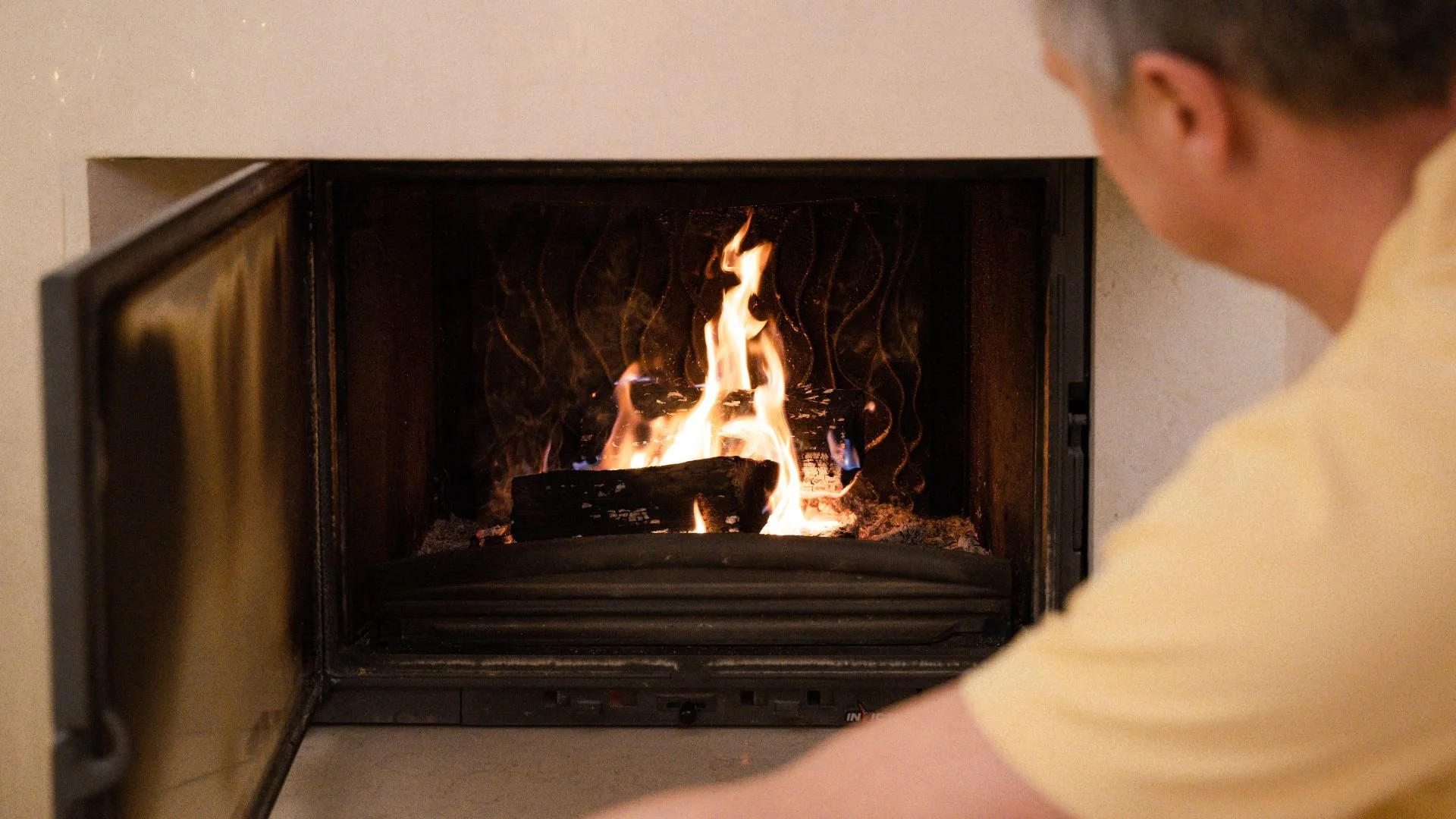
Most homeowners know they are supposed to get a fireplace inspection. Fewer actually know what happens during one. If you have ever scheduled an appointment and wondered what the technician was looking for, or skipped one because it seemed like an unnecessary expense, this article is for you. A fireplace inspection is one of the most straightforward ways to protect your home, and understanding what it covers makes it a lot easier to appreciate why it matters.
A fireplace is not a passive feature. Every time it burns, it is managing heat, combustion gases, and byproducts that need to move safely out of your home. When something in that system is not working correctly, the consequences range from poor performance to genuine danger. A thorough fireplace inspection catches problems at the point where they are still small, before they become expensive repairs or, worse, safety hazards.
What the Firebox Actually Does
Before diving into what goes wrong with a cracked firebox, it helps to understand what the firebox is designed to do. The firebox is the enclosed chamber where combustion takes place. It is built from refractory materials, typically specially rated brick and mortar, that are engineered to withstand temperatures that can exceed 1,000 degrees Fahrenheit during a normal fire.
Those refractory materials do more than just contain the fire. They absorb and redistribute heat in a way that keeps the surrounding structure from reaching dangerous temperatures. They also form a sealed chamber that prevents combustion gases, including carbon monoxide, from migrating into wall cavities or other parts of the home. When a cracked firebox compromises that seal, both of those protective functions are weakened simultaneously.
The firebox also directs airflow in a way that supports clean, efficient combustion. A cracked firebox can disrupt that airflow, leading to poor draft, smoke spillage into the room, and incomplete combustion that produces more creosote than a properly sealed firebox would. Every function the firebox performs depends on its structural integrity remaining intact.
What Causes a Cracked Firebox
Thermal expansion and contraction are the leading cause of a cracked firebox. Every time a fire burns, the refractory materials inside the firebox heat up significantly and then cool back down after the fire goes out. Over years of use, that repeated cycle of expansion and contraction puts cumulative stress on the brick and mortar joints. Eventually, something gives.
Michigan's freeze-thaw cycles add another layer of stress. Moisture that enters through small gaps or a compromised chimney cap can work its way into the masonry of the firebox. When that moisture freezes and expands, it forces cracks wider from the inside. What started as a surface crack in the refractory panel can deepen and spread over just a few seasons of Michigan winters without any fires being burned at all.
Burning fires that are too large or too hot for the firebox dimensions accelerates cracking significantly. Oversized fires push temperatures beyond what the refractory materials are rated for, softening the mortar joints and causing the brick faces to spall and fracture. Using the wrong fuel type, such as burning wood in a gas fireplace insert not designed for it, creates the same problem and compounds it with the wrong chemistry of combustion byproducts.
Age is also a straightforward factor. Refractory materials have a service life, and a firebox in a Michigan home that has been burning wood or gas through decades of heating seasons will eventually show the effects of that use. Older homes with original fireboxes that have never been relined or rebuilt are among the highest-risk situations a fireplace professional will encounter.
Signs You May Have a Cracked Firebox
The most direct way to identify a cracked firebox is a visual inspection of the interior. With the fireplace cold and unlit, use a flashlight to examine the back wall, the two side walls, and the floor of the firebox. Look for visible cracks in the refractory panels, gaps in the mortar joints between bricks, areas where the brick surface has chipped or flaked away, and any discoloration that suggests heat is escaping through a crack rather than staying contained.
Hairline cracks in the refractory panels are worth noting but do not always require immediate emergency action. Wide cracks, cracks that run through multiple bricks, and cracks that allow you to see beyond the firebox wall into the surrounding structure are more serious and warrant professional attention before the fireplace is used again. A cracked firebox that has visible gaps into wall cavities should be treated as an immediate safety concern.
Beyond what you can see, there are behavioral signs that point to a cracked firebox even when the damage is not immediately visible. Smoke that backs up into the room when the damper is open, unusual odors during or after burning, a fire that seems to perform differently than it used to, and soot appearing on the exterior face of the fireplace are all signals worth investigating. If your home has ever experienced a chimney fire, even a small one that burned itself out quickly, a cracked firebox is a likely result.
The Real Safety Risks of a Cracked Firebox
The most serious risk associated with a cracked firebox is fire spreading to the structure of the home. Refractory materials are designed to keep heat contained inside the firebox. A crack or gap in those materials creates a direct pathway for superheated gases and embers to reach the wooden framing and insulation just inches away. House fires that originate in fireplace walls often develop slowly and invisibly before breaking through to a visible location, which is part of what makes them so dangerous.
Carbon monoxide exposure is the second major risk. A cracked firebox that allows combustion gases to escape into wall cavities can introduce carbon monoxide into living spaces through gaps in the walls, through electrical outlets, or through shared wall spaces. Carbon monoxide is colorless and odorless, which means it can reach dangerous concentrations in a home without any obvious warning signs. The U.S. Consumer Product Safety Commission reports that carbon monoxide poisoning from heating appliances, including fireplaces, is responsible for hundreds of deaths annually in the United States. A cracked firebox that is not sealed properly is a direct contributor to that risk.
The Chimney Safety Institute of America recommends annual inspections of all fireplace components, including the firebox, as the primary line of defense against these risks. Their homeowner resources make clear that a cracked firebox discovered during an inspection is always addressed before the fireplace is returned to service. Creosote accumulation is a third risk that a cracked firebox accelerates. When the firebox seal is compromised, combustion efficiency drops, and fires produce more creosote than they otherwise would. Creosote is the leading cause of chimney fires, and a cracked firebox that is simultaneously producing more creosote and providing less containment creates a compounding risk that is far greater than either problem alone.
What Cracked Firebox Repair Actually Looks Like
The appropriate repair for a cracked firebox depends on the extent and location of the damage. Minor hairline cracks in refractory panels can often be addressed with a high-temperature refractory caulk or mortar repair product applied to the crack after the firebox has been thoroughly cleaned and dried. This is a targeted repair that seals the crack and restores the integrity of that section without requiring full panel replacement.
More significant cracking, particularly in the refractory panels themselves rather than just the mortar joints, typically requires panel replacement. Refractory panels are sold in standard sizes and can be cut to fit specific firebox configurations. Replacing a cracked panel restores the full heat-rated surface of that wall and eliminates the gap that the cracked firebox created. This is a repair that most certified fireplace technicians can complete in a single visit.
In cases where the damage extends beyond the panels to the masonry structure behind them, or where a cracked firebox has been in use long enough for heat damage to reach the surrounding framing, a more comprehensive repair or full firebox rebuild may be required. This is less common but not unusual in older Michigan homes where a cracked firebox has gone unaddressed for many seasons. A professional inspection is the only reliable way to determine which level of repair your specific situation requires.
After any cracked firebox repair, a follow-up inspection before resuming use is standard practice. A repaired firebox that is returned to service without verification that the repair is sound provides far less confidence than one that has been inspected and cleared by a certified professional.
How to Prevent a Cracked Firebox From Developing
Annual inspections are the most effective preventive measure available. A professional who examines the firebox at the end of each burning season can identify early-stage cracking before it progresses to the point of posing a genuine risk. Catching a cracked firebox early means a smaller, less expensive repair and no interruption to your heating season.
Burning appropriately sized fires is also important. Fires that are proportionate to the firebox dimensions and fuel type produce less thermal stress on the refractory materials over time. Using seasoned hardwood with a moisture content below 20% produces cleaner burns with less creosote and less extreme temperature spikes than wet or softwood fuel. Keeping a working spark arrestor chimney cap in place prevents moisture intrusion that accelerates freeze-thaw cracking in the firebox and throughout the chimney system.
Think You Have a Cracked Firebox? Contact The Grate Haus
At The Grate Haus, we inspect and repair fireboxes for Michigan homeowners across Calhoun, Eaton, Hillsdale, Ingham, Jackson, Lenawee, Livingston, and Washtenaw Counties. If you have noticed cracking inside your firebox, experienced unusual smoke behavior, or simply have not had your fireplace inspected in the past year, our team is ready to take a look and give you an honest assessment of what you are working with.
A cracked firebox that is caught early is a straightforward repair. One that is left unaddressed through another burning season becomes a more serious problem and a more significant expense. Do not wait until something goes wrong to find out what is happening inside your fireplace.
Reach out to our team today. Contact The Grate Haus to schedule a firebox inspection and make sure your fireplace is safe before you light the next fire.
Frequently Asked Questions
Can I still use my fireplace if I have a cracked firebox?
It depends on the severity of the cracking. Minor surface hairline cracks in refractory panels are lower risk but should still be evaluated by a professional before you continue using the fireplace regularly. Wide cracks, gaps that penetrate through the firebox wall, or any crack that allows you to see into the surrounding structure mean the fireplace should not be used until repairs are completed. When in doubt, stop using it and schedule an inspection.
How do I know if my cracked firebox is serious?
Size, depth, and location are the three factors that determine how serious a cracked firebox is. A hairline crack confined to the surface of a refractory panel is less urgent than a crack that runs through the full thickness of the panel or extends across multiple bricks. Cracks near the back corners of the firebox, where heat concentration is highest, tend to be more consequential than surface-level cracks on the side panels. A certified chimney professional can assess the depth and structural significance of any cracking you find.
How much does cracked firebox repair cost?
Repair costs vary depending on the extent of the damage and the repair method required. Mortar joint repointing and refractory caulk repairs are typically the least expensive option. Refractory panel replacement costs more but is still a manageable repair for most homeowners. A full firebox rebuild is the most significant investment and is only recommended when the damage extends beyond the panels into the underlying masonry structure. Getting a professional assessment is the only way to get an accurate cost estimate for your specific situation.
What is the difference between a cracked firebox and a cracked chimney?
The firebox is the combustion chamber at the base of the fireplace where the fire actually burns. The chimney is the vertical flue system above it that carries combustion gases out of the home. Both can develop cracks, and both require attention when they do, but they involve different materials, different repair approaches, and different risk profiles. A cracked firebox poses a more immediate risk of heat transfer to nearby framing, while chimney cracks are more commonly associated with water infiltration and liner integrity issues.
How often should a firebox be inspected in Michigan?
Annual inspections are the industry standard recommended by the Chimney Safety Institute of America and apply to Michigan homeowners just as they do everywhere else. Michigan's freeze-thaw cycles add additional mechanical stress to firebox masonry that makes consistent annual inspection particularly worthwhile. Scheduling your inspection in spring or early summer gives you time to address any findings from a cracked firebox or other issues before the next heating season begins.
Can a cracked firebox cause a house fire?
Yes. A cracked firebox that allows superheated gases or embers to escape into adjacent wall cavities can absolutely ignite surrounding materials. Fireplace-related house fires often develop slowly and out of sight before becoming visible, which is part of what makes them particularly dangerous. This is not a theoretical risk. It is one of the primary reasons why annual firebox inspections are strongly recommended and why a cracked firebox should always be addressed before the fireplace is returned to regular use.
The Grate Haus proudly serves Calhoun County, Eaton County, Hillsdale County, Ingham County, Jackson County, Lenawee County, Livingston County, and Washtenaw County, MI. Questions about cracked firebox repair or any of our fireplace services? Contact our team today.