
How to Properly Care for Patio Furniture So It Lasts for Years
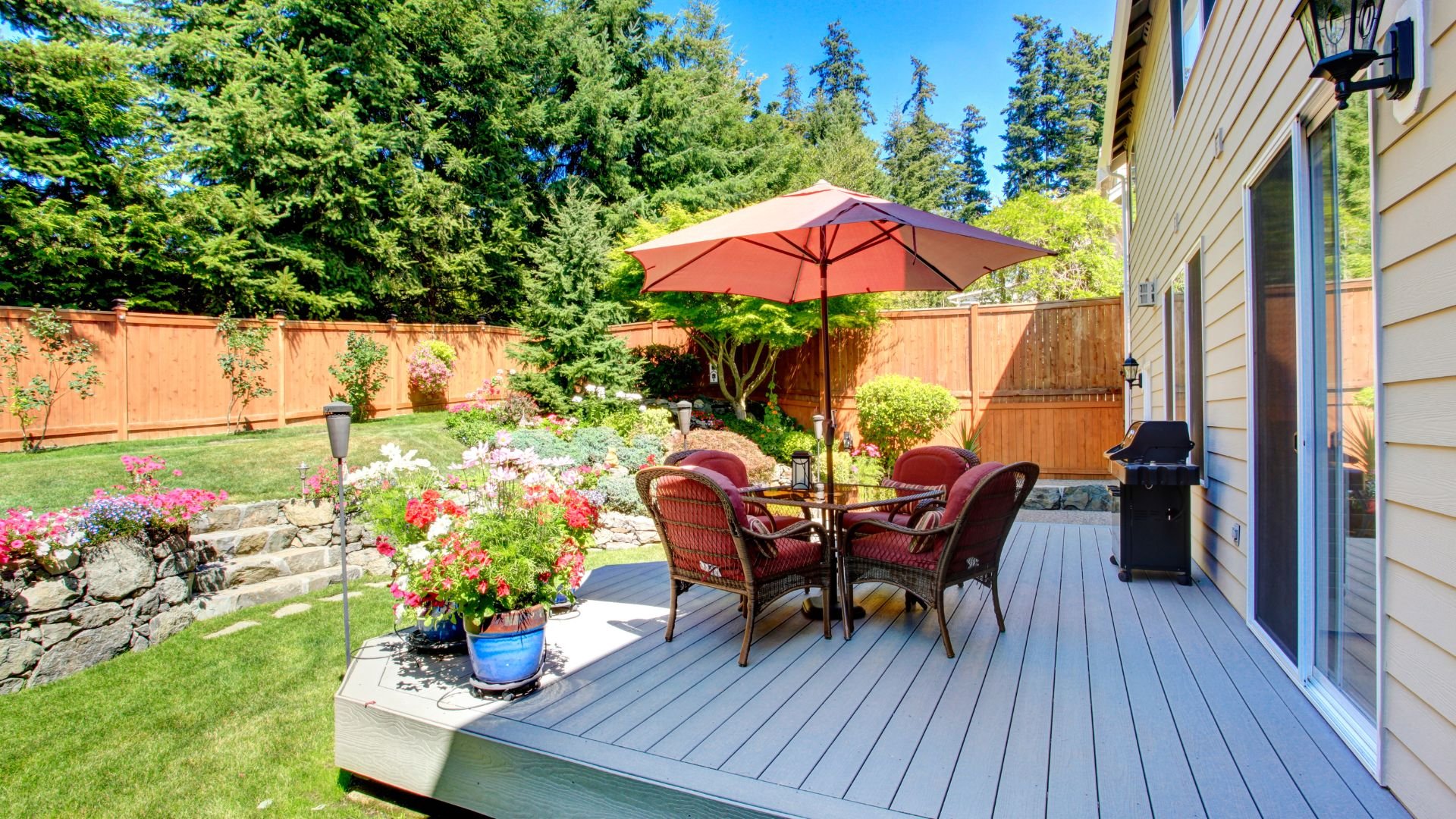
Good patio furniture is an investment. Whether you spent a few hundred dollars on a set of resin chairs or several thousand on a fully furnished outdoor living space, what you put on that patio deserves the same attention you give anything else in your home. The difference between furniture that looks great for a decade and furniture that looks worn out after two seasons almost always comes down to one thing: how well it is cared for.
Michigan homeowners face a particular challenge when it comes to patio furniture care. The state's climate is genuinely tough on outdoor materials. Hot, humid summers, dramatic temperature swings in spring and fall, and winters that bring heavy snow, ice, and road salt in the air all work against outdoor furniture in ways that milder climates simply do not. What works for a homeowner in Arizona or Georgia will not necessarily be enough here.
This guide covers patio furniture care for every major material type, walks through seasonal routines that make a real difference, and shares the habits that separate furniture that holds up from furniture that does not. If you want your outdoor space to look as good next year as it does today, this is where to start.
Why Consistent Patio Furniture Care Pays Off
It is easy to treat patio furniture care as something you get around to eventually. Life is busy, the furniture is outside anyway, and a little weathering can feel like part of the aesthetic. But neglect compounds quickly with outdoor materials. What starts as surface grime becomes embedded staining. What begins as a small rust spot spreads across a metal frame. A wood surface that goes unprotected for one season can crack and warp in ways that are difficult or impossible to reverse.
The math is simple. An afternoon of patio furniture care at the start and end of each season adds years of life to pieces that would otherwise need replacing far sooner. Replacing a quality outdoor furniture set can easily run into the thousands of dollars. The time and small cost of routine patio furniture care is a fraction of that, and it keeps your outdoor space looking the way it should without unexpected replacement expenses.
Beyond longevity, consistent patio furniture care also preserves the comfort and functionality of each piece. Cushions that are cleaned and stored properly stay supportive and vibrant. Metal frames that are treated and dried correctly do not develop the rough, oxidized surfaces that snag clothing and scratch skin. Patio furniture care is not just about appearances. It is about making sure your outdoor furniture keeps doing its job well.
Patio Furniture Care by Material Type
Different materials have different needs, and effective patio furniture care starts with understanding exactly what you are working with. Treating teak the same way you treat aluminum, or caring for resin wicker the same way you care for natural rattan, leads to disappointing results. Here is what each major material type needs to stay in top condition.
Wood Furniture: Nourish and Protect
Wood is one of the most beautiful outdoor furniture materials and one of the most demanding when it comes to patio furniture care. Teak, eucalyptus, acacia, and cedar are the most commonly used species for outdoor furniture, and each has a natural oil content that helps it resist moisture and insects. But that natural resistance is not unlimited, and it diminishes over time without proper patio furniture care.
Clean wood furniture at least twice a year using a mild soap and warm water solution with a soft brush. Work with the grain, rinse thoroughly, and allow the furniture to dry completely in a shaded area before applying any treatment. For teak and other dense hardwoods, a dedicated teak oil or hardwood sealer applied once or twice a year restores the wood's natural oils and provides a protective barrier against moisture and UV exposure. Avoid generic oils like linseed or vegetable oil, which can go rancid and attract mildew.
In Michigan, wood outdoor furniture left exposed through winter will absorb moisture from snow and ice and crack as that moisture expands and contracts with temperature changes. Patio furniture care for wood pieces in this climate means covering them with breathable furniture covers from late fall through early spring, or storing them indoors entirely if space allows. A winter spent in a garage or basement is far kinder to wood furniture than one spent under a snowdrift.
Metal Furniture: Keep Rust From Taking Over
Aluminum and steel are the two most common metals used in outdoor furniture, and patio furniture care looks slightly different for each. Aluminum is naturally rust-resistant because it forms a thin oxide layer that protects the metal beneath it. Steel, including powder-coated steel, is not inherently rust-resistant and requires more attentive patio furniture care to stay in good condition.
For aluminum furniture, clean the frames with a mild soap and water solution, dry thoroughly, and inspect for any areas where the surface coating has chipped or worn through. Bare aluminum that is left untreated will oxidize and develop a chalky white surface. A coat of car wax applied after cleaning provides a solid layer of protection and makes future patio furniture care sessions faster and more effective.
Steel furniture requires a closer eye. Any scratch, chip, or worn area in the powder coating is an entry point for rust. Address those spots quickly with a touch-up paint designed for outdoor metal use. Inspect steel frames closely at the end of each season as part of your patio furniture care routine and treat any rust spots with a rust converter before they spread. Storing steel furniture indoors over Michigan winters, or at minimum keeping it tightly covered and elevated off wet surfaces, is strongly recommended.
Resin and Plastic Furniture: Simple But Easy to Overlook
Resin and plastic furniture is often bought specifically because it seems maintenance-free, but good patio furniture care still applies here. Sun exposure causes plastic to fade, become brittle, and develop a chalky surface finish over time. Dirt and mildew accumulate in textured surfaces and can be surprisingly stubborn if left too long between cleanings.
Wash resin and plastic furniture with a solution of dish soap and warm water, or for mildew stains, a diluted white vinegar solution. A soft brush works well for getting into textured areas. For serious discoloration, a paste of baking soda and water applied with a cloth and left to sit for a few minutes before rinsing can lift staining that regular soap misses. Patio furniture care for plastic also includes applying a UV-protectant spray once or twice per season to slow the degradation that sunlight causes over time.
Cushions and Fabric: The Part Most People Neglect
Cushion patio furniture care is the step that most homeowners either rush through or skip entirely, and it shows. Outdoor fabrics are engineered to handle moisture and UV exposure, but they are not designed to handle being left wet, dirty, and compressed for months at a time. Mold and mildew set in quickly when cushions stay damp, and once that musty smell is embedded in the foam, it is very difficult to remove entirely.
Spot clean cushion covers regularly throughout the season using a mild soap and cool water, and let them air dry completely before putting them back on the furniture. If your cushion covers are removable and machine washable, run them through a gentle cycle at the end of the season before storing. For patio furniture care purposes, store cushions indoors during Michigan winters, ideally in a breathable storage bag or bin that keeps moisture out without trapping it inside. Avoid plastic bags or airtight containers, which encourage the condensation that feeds mold.
A Seasonal Patio Furniture Care Routine for Michigan
Spring is the time to bring furniture out of storage, inspect every piece for any damage that developed over winter, clean everything thoroughly, and apply any protective treatments before the season begins. Check metal frames for rust, wood surfaces for cracking or mildew, and fabric for any signs of moisture damage. Addressing small issues in spring costs far less than dealing with the same issues after they have had a full season to worsen. Midsummer patio furniture care is lighter but still worth doing. Wipe down surfaces after heavy use, spot clean cushions, and rinse off any accumulated pollen, bird droppings, or environmental debris. Letting grime sit in the heat accelerates staining and surface damage on every material type.
Fall is the most important season for patio furniture care in Michigan. This is when you clean everything thoroughly one final time, apply end-of-season protective treatments to wood and metal, and make decisions about what goes indoors versus what gets covered. A few hours of focused patio furniture care in October can be the difference between furniture that comes out of winter looking sharp and furniture that comes out looking like it aged five years overnight. For homeowners looking for detailed guidance on cleaning specific outdoor materials and choosing the right products, Consumer Reports' outdoor furniture care guide provides material-specific recommendations backed by independent testing that complements the routine outlined above.
Upgrade Your Outdoor Space With The Grate Haus
At The Grate Haus, we carry quality patio furniture built to handle Michigan's climate and look great doing it. Our team can help you find pieces that fit your outdoor space, your style, and your expectations for how long outdoor furniture should last. We believe the right outdoor furniture, properly cared for, should be something you enjoy for many years without regret.
Whether you are furnishing a new patio, replacing a set that has seen better days, or simply looking for guidance on what materials make the most sense for your situation, we are ready to help. Good patio furniture care starts with choosing the right furniture in the first place, and that is a conversation we are happy to have. Stop by or reach out today. Contact The Grate Haus and let us help you build an outdoor space you will actually want to spend time in.
Frequently Asked Questions
How often should I clean my outdoor patio furniture?
For most materials, a thorough cleaning twice a year, once in spring and once in fall, is the minimum for good patio furniture care. A quick wipe-down after heavy use or storms throughout the season helps prevent grime from building up between those deeper cleans. High-traffic pieces like dining chairs and loungers may benefit from more frequent attention depending on how often they are used.
What is the best way to store patio furniture over a Michigan winter?
The best patio furniture care for Michigan winters is to bring cushions and fabric pieces indoors entirely and store them in a dry, breathable space. Hard furniture pieces like wood, metal, and resin can be stored in a garage or basement, or left outside under high-quality, breathable furniture covers that are secured tightly against wind. Elevating furniture off the ground prevents moisture from wicking up into frames and legs during freeze-thaw cycles.
How do I remove mold or mildew from outdoor furniture?
A solution of one part white vinegar to two parts warm water works well for surface mold on most outdoor materials including fabric, plastic, and resin. For wood furniture, a specialized outdoor wood cleaner or a diluted bleachsolution applied carefully and rinsed thoroughly is more effective. Consistent patio furniture care throughout the season, including keeping surfaces dry and clean, is the best way to prevent mold from becoming a recurring issue.
Does patio furniture need to be covered when not in use?
Covering patio furniture when it is not in use extends its life, but it is not always necessary during active use periods in spring and summer. The most important time to cover furniture is during extended periods of rain, overnight when dew accumulates, and throughout fall and winter. Covers designed for outdoor furniture care should be breathable rather than completely sealed, which prevents trapped moisture from causing the same problems you are trying to avoid.
What patio furniture material lasts the longest in Michigan's climate?
High-density polyethylene resin and powder-coated aluminum tend to hold up best in Michigan's climate with minimal maintenance, making them practical choices for homeowners who want lower-effort patio furniture care. Teak is an excellent long-lasting option for those willing to oil it annually. Whatever material you choose, consistent cleaning, proper storage, and prompt attention to any damage are what ultimately determine how long your outdoor furniture lasts.
Can I pressure wash my patio furniture?
Pressure washing can be effective for resin, plastic, and some metal furniture, but it requires care. Use a low-pressure setting and keep the nozzle moving to avoid damaging surfaces, stripping finishes, or forcing water into joints. Pressure washing is not recommended for wood furniture as part of routine patio furniture care, since high-pressure water can raise the grain, push moisture deep into the wood, and cause cracking if the wood dries too quickly afterward.
The Grate Haus proudly serves Calhoun County, Eaton County, Hillsdale County, Ingham County, Jackson County, Lenawee County, Livingston County, and Washtenaw County, MI. Questions about patio furniture care or any of our outdoor living services? Contact our team today.