
What Does a Fireplace Inspection Actually Cover?
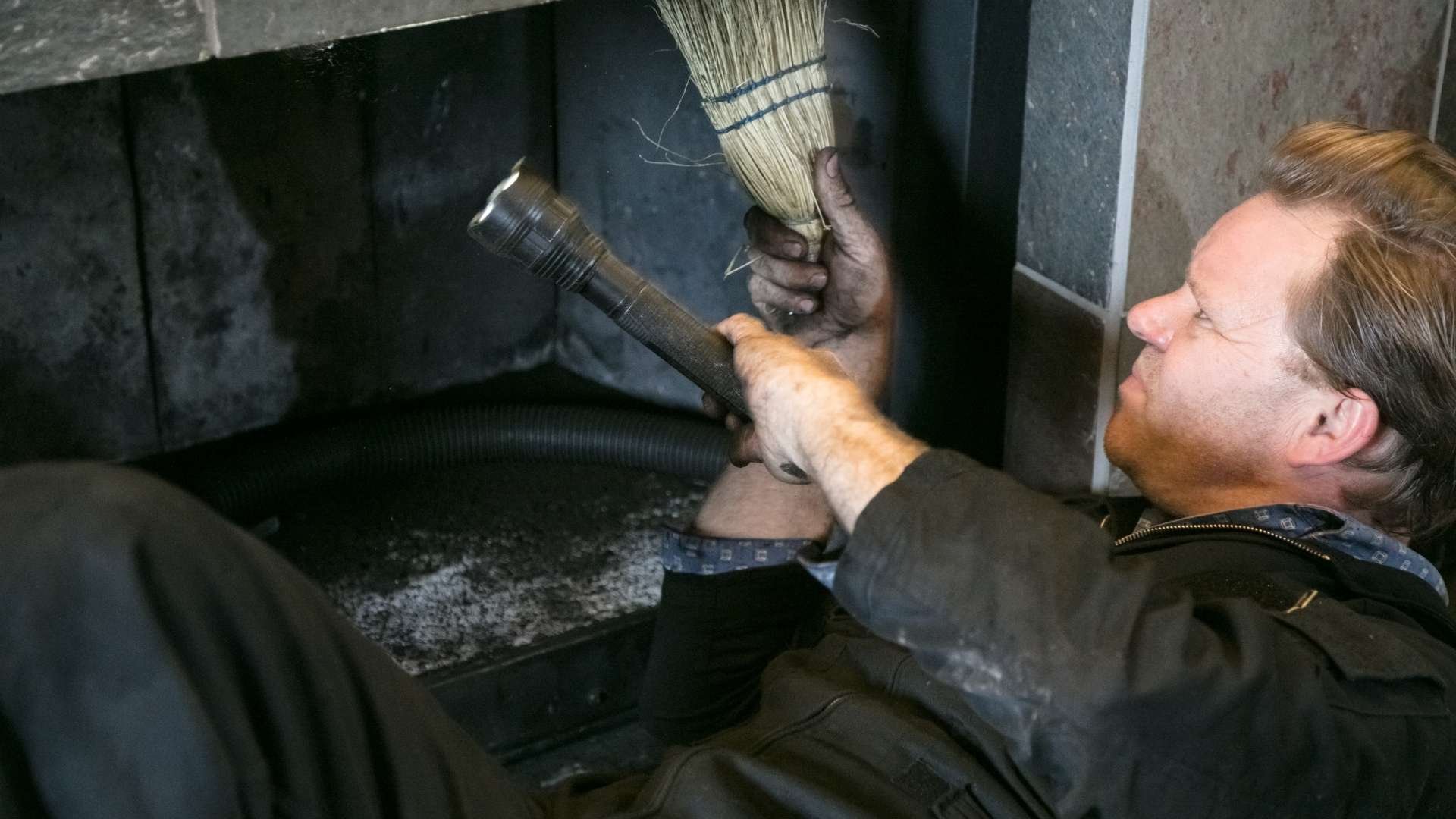
Most homeowners know they are supposed to get a fireplace inspection. Fewer actually know what happens during one. If you have ever scheduled an appointment and wondered what the technician was looking for, or skipped one because it seemed like an unnecessary expense, this article is for you. A fireplace inspection is one of the most straightforward ways to protect your home, and understanding what it covers makes it a lot easier to appreciate why it matters.
A fireplace is not a passive feature. Every time it burns, it is managing heat, combustion gases, and byproducts that need to move safely out of your home. When something in that system is not working correctly, the consequences range from poor performance to genuine danger. A thorough fireplace inspection catches problems at the point where they are still small, before they become expensive repairs or, worse, safety hazards.
The Three Levels of Fireplace Inspection
Not all fireplace inspections are created equal. The Chimney Safety Institute of America defines three distinct levels of fireplace inspection, each designed for different situations and covering different scopes of work. Knowing which level applies to your situation helps set the right expectations before a technician arrives.
A Level 1 fireplace inspection is the most common and is recommended for any fireplace that has been in regular use without major changes to the system. The technician visually examines all accessible parts of the fireplace and chimney, checking for basic soundness, proper clearances, and the absence of obvious deposits or obstructions. No special tools or equipment are required, and the inspection typically takes less than an hour. This is the standard annual fireplace inspection most homeowners should be scheduling.
A Level 2 fireplace inspection goes deeper. It is recommended when you are buying or selling a home, after a chimney fire or other significant event, or when changes have been made to the system, such as a new liner or a different fuel type. This level includes everything in Level 1 plus a video scan of the interior of the flue using specialized camera equipment, giving the technician a clear view of areas that cannot be seen with the naked eye. A Level 2 fireplace inspection is the minimum standard recommended during any real estate transaction.
A Level 3 fireplace inspection is the most invasive and is only recommended when serious hidden damage is suspected. It may involve removing parts of the structure to access areas that cannot be reached otherwise. This level is rare and is typically triggered by findings from a Level 2 inspection that require further investigation. Most homeowners will never need one, but it is good to know it exists.
What Gets Examined: Starting With the Firebox
The firebox is where combustion happens, which makes it the logical starting point for any fireplace inspection. The technician looks at the condition of the refractory panels, which are the specially rated walls that line the inside of the firebox and protect the surrounding structure from intense heat. Cracks, chips, or deterioration in these panels are a common finding and one that matters. Damaged refractory material allows heat to reach areas it should never reach.
The damper is another critical component examined during a fireplace inspection. This is the movable plate that controls airflow between the firebox and the flue above. A damper that does not open fully restricts the draft and causes smoke to back up into the room. One that does not close properly allows conditioned air to escape when the fireplace is not in use, wasting energy and allowing outdoor air and animals to enter. The technician checks that the damper opens, closes, and seals correctly.
The firebox floor, the lintel, and the smoke chamber just above the firebox opening are also part of a standard fireplace inspection. The smoke chamber is a particularly important area because it funnels combustion gases up into the flue. A smoke chamber with rough, deteriorating surfaces or gaps in the mortar is less efficient and more prone to creosote accumulation, which creates fire risk over time.
The Flue and Liner: The Heart of the System
If the firebox is where the fire lives, the flue is where everything goes when it leaves. The flue is the vertical channel that carries combustion gases, heat, and water vapor out of the home, and its condition is one of the most important things evaluated during a fireplace inspection. A compromised flue is not a minor inconvenience. It is a direct pathway for carbon monoxide and fire to reach parts of your home that are never supposed to be exposed to either.
The liner inside the flue takes the brunt of every burn. Clay tile liners, which are the most common type in older Michigan homes, are checked for cracks, gaps, and missing mortar joints. Even hairline cracks matter because they allow superheated gases and embers to escape into the surrounding structure. A fireplace inspection using video equipment at Level 2 gives the technician a detailed view of the liner's condition from top to bottom, which is the only reliable way to assess a liner's integrity.
Stainless steel liners, which are commonly installed as replacements or upgrades, are inspected for corrosion, improper joints, and correct sizing relative to the fireplace it serves. An undersized liner restricts draft. An oversized one produces condensation and poor combustion. Proper sizing is not a detail that can be guessed. It is calculated based on the firebox dimensions and the height of the chimney, and a fireplace inspection verifies that the liner in place meets those requirements.
The Exterior: What the Outside Tells You
A complete fireplace inspection does not stop at the hearth. The exterior of the chimney above the roofline is examined for signs of deterioration that can compromise the entire system from the outside in. Spalling brick, cracked mortar joints, and a damaged chimney crown are among the most common exterior findings, and all of them allow water to enter the chimney structure.
Water is the single most damaging force a chimney faces. Once it gets inside the masonry, freeze and thaw cycles through Michigan winters accelerate the breakdown of brick and mortar at a rapid pace. A fireplace inspection that catches early water infiltration signs can prevent thousands of dollars in structural repairs down the line. The chimney cap is also checked to make sure it is intact, properly sized, and doing its job of keeping rain, debris, and animals out of the flue opening.
Flashing, the metal seal where the chimney meets the roofline, is another exterior component evaluated during a fireplace inspection. Failed or improperly installed flashing is one of the leading causes of roof leaks in homes with chimneys, and it is often misdiagnosed as a roofing problem rather than a chimney problem. A trained inspector knows exactly where to look and what compromised flashing looks like before it causes interior water damage.
How Often Should You Schedule a Fireplace Inspection?
The answer is straightforward. Once a year, every year, regardless of how often you use your fireplace. This recommendation comes directly from the National Fire Protection Association, which advises annual fireplace inspections for all solid fuel-burning appliances. Even if you only used your fireplace a handful of times in the past year, the components still age, the mortar still dries and cracks, and small animals can still find their way into an unprotected flue.
The United Chimney Corporation outlines the full requirements for chimneys, fireplaces, and vents, and serves as the industry benchmark that certified inspectors follow. Referencing that standard gives homeowners a clear sense of exactly what professional oversight looks like and why annual attention is the baseline, not the exception.
Michigan homeowners in particular have good reason to stay consistent with their fireplace inspection schedule. Harsh winters put real stress on chimney masonry, and fireplaces that have been sitting dormant through a full heating season can develop issues that are not obvious until a trained eye looks at them closely. Scheduling your fireplace inspection in the spring or early summer means you have plenty of time to address any findings before the next heating season begins.
Schedule Your Fireplace Inspection With The Grate Haus
At The Grate Haus, we take fireplace safety seriously, and so should you. Our team of experienced professionals serves Michigan homeowners with thorough, honest fireplace inspections that give you a complete picture of your system's condition. We are not in the business of upselling unnecessary work. We are in the business of making sure your fireplace is safe, functional, and ready to perform when you need it.
Whether you are due for your annual fireplace inspection, moving into a new home, or have noticed something that does not seem quite right with your fireplace or chimney, we are here to help. The sooner a problem is identified, the simpler and less expensive it is to fix.
Do not wait until something goes wrong. Contact The Grate Haus today to schedule your fireplace inspection and give your home the attention it deserves.